



When it comes to your manufacturing marketing strategy, lead generation is an uphill climb. Sales cycles are long, decision-makers are technical and risk-averse, and purchases require buy-in from multiple stakeholders.
If your website generates traffic but few qualified inquiries, gated content may be the missing piece. It transforms your technical expertise into a strategic asset—giving prospects a compelling reason to engage.
At Straight North, we help manufacturers turn deep product knowledge into a way to earn more leads. In this blog, we will explore how gated content works, why it’s effective for the manufacturing sector, and how you can implement it right.
What is Gated Content?
Gated content is premium content that visitors can access only after submitting their contact information through a form. In exchange for something of value — like a guide or technical resource — readers provide details such as their name, company, email address, and sometimes additional qualifying information.
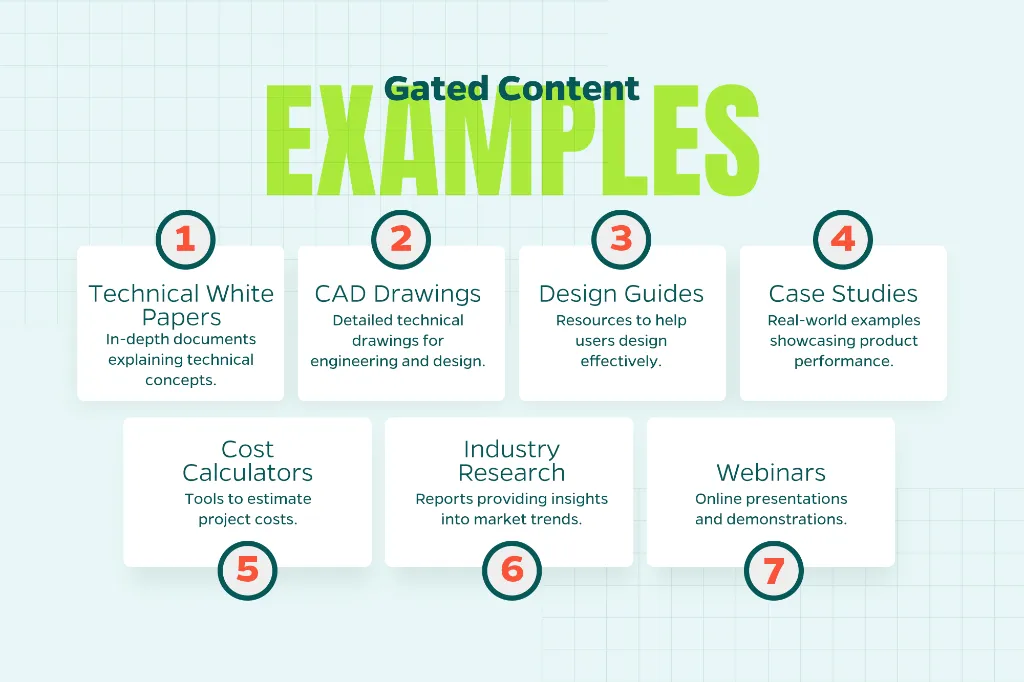
In manufacturing, common examples of gated content include:
- Technical white papers
- CAD drawings or detailed spec sheets
- Design guides
- Case studies with performance data
- Cost calculators
- Industry research reports
- Webinars or recorded demos
Unlike a simple “Contact Us” form, gated content provides value upfront. It positions your company as a knowledgeable partner rather than just another vendor asking for a meeting.
Why Gated Content Works for Manufacturers
Manufacturing buyers are researchers. Before they speak with a salesperson, they want to understand capabilities, tolerances, compliance standards, materials, and performance metrics.
Gated content aligns perfectly with that behavior. Here are a few reasons why.
It Attracts Serious Buyers
A casual visitor may browse your blog or skim a product page. But someone willing to download a detailed engineering guide or request a specification package is likely involved in an active project.
When done correctly, gated content acts as a natural filter. It helps separate casual browsers from engineers, procurement managers, and operations leaders who are actively evaluating solutions.
It Supports Long Sales Cycles
Manufacturing sales cycles often stretch across months — sometimes longer. Gated content helps you enter the conversation early.
For example, an engineer researching new materials may not be ready to request a quote. But they may download a technical guide to compare options. Once they’re in your CRM, you can nurture that relationship with relevant follow-up content until the project moves forward.
It Demonstrates Technical Authority
Manufacturers compete on expertise. When you publish high-quality technical resources, you showcase your depth of knowledge and experience.
This builds trust. In manufacturing, trust drives decisions.
Choosing the Right Gated Content for Manufacturing
Not all gated content performs equally. The key is to create assets that address real-world challenges your target audience faces.
Start by asking:
- What questions do prospects repeatedly ask our sales team?
- What technical hurdles slow down buying decisions?
- What misconceptions exist about our products or capabilities?
- What data would help a buyer justify a decision internally?
From there, consider these high-performing formats.
In-Depth Technical Guides
A comprehensive guide that walks engineers through design considerations, materials, tolerances, or regulatory standards can be extremely effective. This type of content works especially well in industries like aerospace, automotive, medical devices, and industrial equipment.
The goal isn’t to oversimplify. In fact, depth is what makes it valuable.
Case Studies with Measurable Results
Manufacturing buyers want proof. Case studies that include before-and-after metrics, production efficiencies, cost savings, or quality improvements can serve as powerful gated assets.
When possible, quantify outcomes clearly and highlight the technical details that matter most.
Interactive Tools
Cost calculators, ROI estimators, or configuration tools can be strong lead generators. They provide immediate value while capturing key information about the prospect’s needs.
These tools also give your sales team context — helping them tailor follow-up conversations.
Best Practices for Gated Content That Converts
Simply placing a form in front of a PDF isn’t enough. To generate high-quality manufacturing leads, you need a thoughtful content marketing strategy.
Align Content with Intent
Not every piece of content should be gated. Early-stage educational blog posts are typically better left open to maximize visibility and SEO performance.
Reserve gates for high-value, decision-stage content. If someone is evaluating vendors or solutions, they’re more likely to exchange information for something meaningful.
Keep Forms Strategic
Long forms can discourage conversions. But in manufacturing, gathering more than just a name and email can be helpful. Ask for information that helps qualify the lead. This includes company name, job title, industry, or project timeline. That said, avoid making the form feel burdensome. You can always gather additional information later through follow-up.
Create a Dedicated Landing Page
Each gated asset should have a focused manufacturing landing page that follows best practices. That page should clearly explain:
- The problem the content addresses
- What the visitor will learn
- Why it’s valuable
- Who it’s for
Remove distractions. Keep navigation minimal. Make the call to action clear and compelling. It’s important that you have a website designed for effective lead generation.
Follow Up Quickly and Strategically
Gated content is just the beginning. It’s just as important what happens after a potential prospect downloads your content.
Here’s a good process. Send an immediate confirmation email to your prospect with the content. Then implement a thoughtful follow-up sequence that aligns with their interests. For example, if someone downloads a guide on material selection, your follow-up emails might include related case studies or an invitation to speak with an application engineer. The faster and more relevant your response, the more likely you are to convert interest into opportunity.
Integrating Gated Content with Your Digital Strategy
To maximize impact, gated content should be integrated into a broader digital marketing strategy.
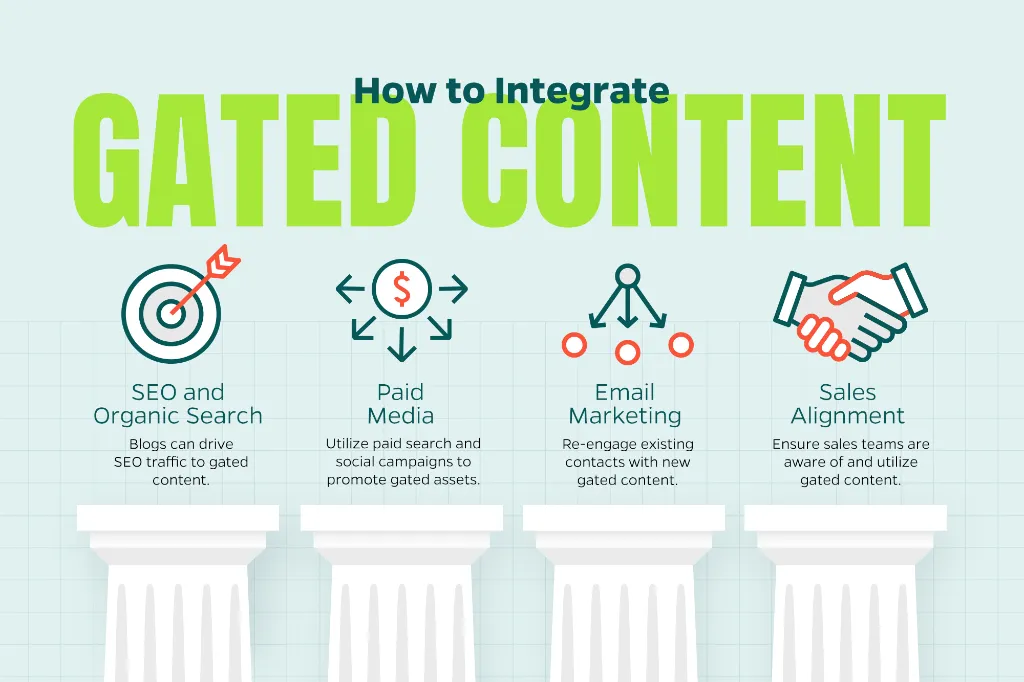
SEO and Organic Search: Optimized landing pages can rank for high-intent keywords. Supporting blog content can drive traffic to those pages internally. Over time, this builds a sustainable pipeline of inbound leads.
Paid Media: Paid search and paid social campaigns can promote gated assets to targeted audiences. For manufacturers entering new markets or launching new capabilities, this can accelerate visibility and lead flow.
Email Marketing: Your existing database may include contacts who haven’t engaged recently. Promoting new gated assets via email can re-engage those prospects and surface new opportunities.
Sales Alignment: Make sure your sales team knows what assets exist and when to use them. Gated content isn’t just for marketing. It can support ongoing sales conversations and help move prospects through the pipeline.
Measuring Success
Like any marketing initiative, gated content should be measured and refined over time. Key metrics to monitor include:
- Landing page conversion rate
- Cost per lead (if using paid promotion)
- Lead quality and sales acceptance rate
- Pipeline contribution
- Closed-won revenue influenced by the asset
If conversion rates are low, test different headlines, form lengths, or value propositions. If lead quality is inconsistent, refine your targeting or adjust the qualifying fields. Continuous optimization is what transforms gated content from a simple download into a reliable lead engine.
Common Pitfalls to Avoid
Manufacturers new to gated content often make a few avoidable mistakes:
- Gating low-value content that prospects can easily find elsewhere
- Making forms too complex
- Failing to follow up promptly
- Treating all leads the same regardless of intent
The most successful programs focus on relevance, clarity, and speed. They respect the prospect’s time and provide meaningful value in return for contact information.
Turning Expertise into Opportunities
Manufacturers sit on a wealth of technical knowledge. The challenge isn’t having expertise — it’s packaging that expertise in a way that attracts and converts the right buyers.
Gated content allows you to do exactly that. It transforms your engineering insights, performance data, and industry experience into tangible assets that generate measurable demand.
When strategically planned and properly executed, gated content can become a cornerstone of your manufacturing lead generation strategy.
Ready to Generate More Manufacturing Leads?
If you’re considering gated content but aren’t sure where to start, the team at Straight North can help. From strategy and content development to landing page optimization and lead nurturing, we build programs designed to drive real revenue.
Contact Straight North today to discuss how gated content can fuel your manufacturing growth.