
Social media is one of the most effective tools for extending the life and reach of your content marketing. But you need to approach it strategically. Sharing a link with a one-line caption and hoping for the best rarely moves the needle. What works is a coordinated, platform-aware approach that treats each channel as its own ecosystem with unique audience expectations. This blog article outlines how to build a social media content promotion strategy that generates real traction.
Start with a Distribution Mindset, Not an Afterthought
One of the most common mistakes in content marketing is treating promotion as something you figure out after a piece goes live. The more effective approach is to think about distribution before you even start writing. Ask yourself who is this for, where do they spend time online, and what format will resonate with them on each platform?
When you plan with promotion in mind, you naturally create content that’s easier to adapt and share. A long-form article becomes a series of LinkedIn insights. A detailed process breakdown becomes a visual carousel. An expert interview becomes a set of pull quotes. The core content stays the same, but you’re thinking ahead about how to give it multiple lives across different channels.
Match Your Message to the Platform
Not all social platforms work the same way, and the brands that get the most mileage out of content promotion know how to adapt their messaging accordingly.
LinkedIn is built for professional audiences and longer-form thinking. It rewards posts that share a genuine perspective, offer a specific insight, or tell a short story with a clear takeaway. If you’re a B2B company, LinkedIn is often your highest-value channel for content distribution. A post that frames a problem your audience recognizes, then points to your article as the deeper resource, tends to perform well.
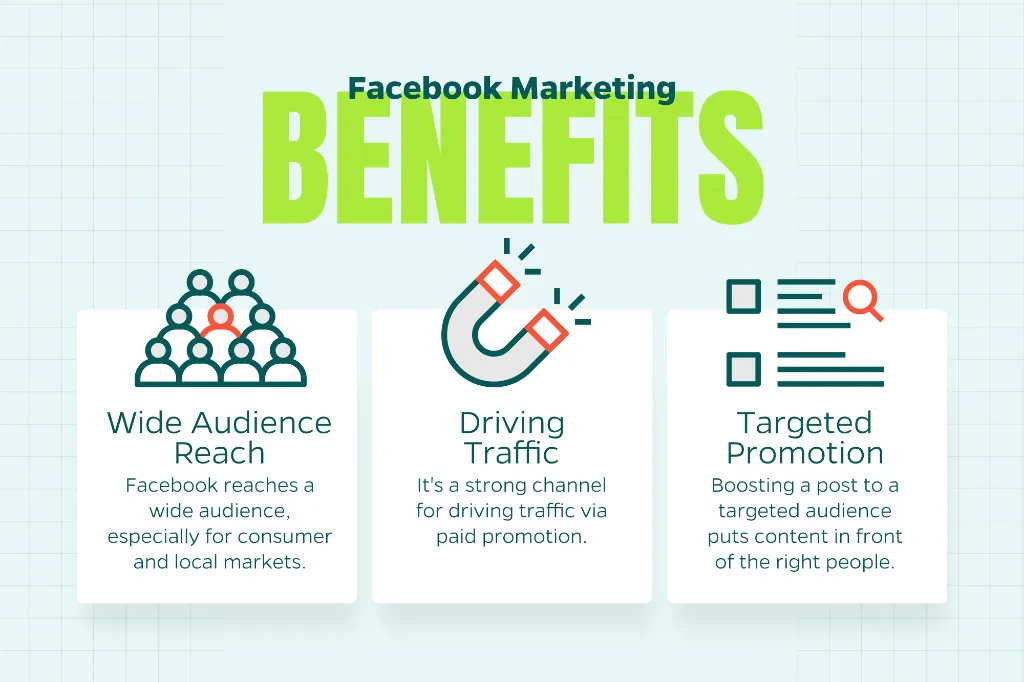
Facebook still reaches a wide audience, particularly for companies targeting consumers or local markets. It’s a strong channel for driving traffic via paid promotion, even when organic reach has declined. Boosting a well-performing post to a targeted audience can put your content in front of exactly the people you’re trying to reach.
Instagram and TikTok are visual and video-first, which means text-heavy content needs to be translated into a different format before it can succeed here. Short videos, infographics, and eye-catching graphics can all serve as entry points that drive curious viewers back to the full article or landing page.
X (formerly Twitter) moves fast and favors brevity. It works well for sharing sharp observations, statistics, or questions that invite conversation. Use it to post standalone insights pulled from your content, and link back to the full piece when context adds value.
Build a Promotion Schedule (Not a One-Time Push)
Most content teams share a new piece once when the content is published and then never revisit it. That’s leaving a significant amount of potential reach on the table. The reality is that only a fraction of your followers see any given post at any given time. New followers are joining your audience every week who have never seen your older content.
A smarter approach is to build a repeating promotion schedule for each piece of content you publish. Plan to share it multiple times over the weeks and months following its release, varying the angle and format with each post. The first share might be the direct link with a short summary. The second might be a compelling statistic from the piece. A later post might frame it around a news event or trend that makes the content newly relevant.
Tools like Buffer, Hootsuite, and Sprout Social make it easy to schedule posts in advance and keep this kind of rhythm going without it becoming a daily manual task.
Engage Don’t Just Broadcast
Social media algorithms consistently reward engagement. The more comments, shares, and saves a post receives early on, the more broadly the platform will distribute it. That means the way you craft a post matters as much as what you’re linking to.
Write posts that invite a response. Ask a question tied to your content. Share a point of view and encourage your audience to agree or push back. Pose a scenario that your article helps resolve. When people comment you should respond promptly. Each reply extends the post’s engagement window and signals to the algorithm that the conversation is worth amplifying.
It’s also worth encouraging your internal team to engage with company posts, especially on LinkedIn. When colleagues like, comment, or reshare a post, it expands into their own networks and dramatically increases organic reach without requiring a dollar of ad spend.
Use Paid Promotion Selectively and Intentionally
Organic reach has real limits, and paid social can help you break through them — especially for content tied to a specific business goal. If you’ve published a piece designed to capture leads at the top of the funnel, putting even a modest budget behind it to reach a targeted audience can yield meaningful returns.
The key is to be selective. Not every piece of content warrants paid promotion. Focus your budget on content that is directly tied to a conversion goal, evergreen enough to stay relevant, and genuinely useful to the audience you’re targeting. Before you pay to amplify something, make sure it’s performing well organically first. A post that already has solid engagement is a much stronger candidate for paid promotion than one that landed with a thud.
LinkedIn Ads, Meta Ads, and promoted posts on X all offer robust targeting options that let you reach people by job title, industry, interest, and behavior. When used strategically, they extend the reach of your best content to audiences who would never have encountered it otherwise.
Track What’s Working
Content promotion without measurement is guesswork. To refine your approach over time, you need to know which platforms are driving traffic, which types of posts generate the most engagement, and which promotion efforts are leading to conversions.
UTM parameters are helpful here. Adding UTM tags to the links you share across each social channel allows GA4 to tell you exactly where your website visitors are coming from and how they’re behaving once they arrive. Over time, this data will show you where to concentrate your promotion effort and where to scale back.
Look beyond vanity metrics like follower counts and raw impressions. Focus on engagement rate, click-through rate, time on page for visitors who arrive from social, and downstream conversion actions. These are the signals that tell you whether your content promotion is moving people through the funnel.
Promotion is Part of the Work
Creating great content is hard work. But the return on that work depends almost entirely on whether the right people see it. A thoughtful social media promotion strategy — one that respects each platform’s dynamics, engages rather than just broadcasts, and is measured against real business outcomes — is what separates content that generates leads from content that generates page views.
The good news is that you don’t have to figure it all out at once. Start with the platforms where your audience is most active, build a repeatable promotion rhythm, and let the data guide your decisions from there.
Ready to get more mileage from your content?
Contact Straight North to learn how we can help you build a social media promotion strategy that drives real results.