
Spanning Facebook, Instagram, Messenger, and the Audience Network, Meta Ads remain one of the most powerful paid social channels available today. But while targeting and bidding certainly influence campaign performance, the creative itself is often the single biggest factor that determines whether your ads convert or get ignored.
In fact, Meta regularly reports that creative quality can influence performance more than any other controllable element in a campaign. That means if you want lower costs, higher engagement, and more conversions, strong creative is essential. In this post, we’ll break down practical best practices for Meta ad creative that stands out, resonates, and converts.
1. Start with a Clear, Singular Message
The most effective Meta ads communicate one core message quickly and clearly. With feeds and Stories moving at lightning speed, users won’t pause to decode a complicated value proposition.
What this looks like in practice:
- A fitness studio promotes a “7-Day Trial Pass” instead of multiple membership tiers.
- A SaaS company highlights “Save 10 hours/week with automated reporting” rather than listing all product features.
- A retailer focuses an ad on “30% Off Winter Jackets” instead of showcasing the whole seasonal lineup.
Takeaway: Simplicity sells. Don’t overload your audience with too many ideas or offers. Pick the value proposition that matters most and build your ad around it.
2. Use Visuals Designed for Mobile First
More than 98% of Meta users access the platform on mobile. So, your creative needs to be optimized for small screens and fast scrolling. It should also lead to a site that is responsive and mobile optimized.
Mobile-first best practices include:
- Use vertical or square formats (4:5, 9:16) to maximize screen real estate.
- Design for sound-off viewing by using subtitles, on-screen text, or bold visuals.
- Avoid tiny text or overly detailed imagery that gets lost on a phone.
- Frontload the most important visuals in the first second of a video.
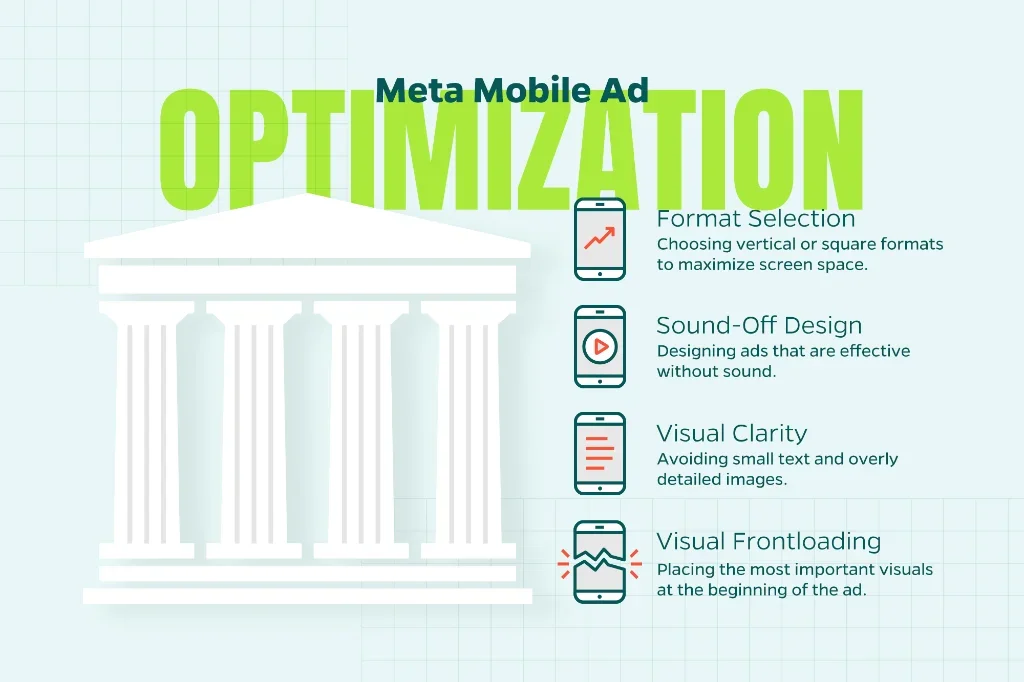
Remember, users are scrolling quickly. Your creative only works if people can absorb it instantly.
3. Leverage User-Generated Content and Authenticity
Highly polished, overly branded ads often feel like ads. Today’s audiences scroll right past anything that looks too “produced.” Meta’s algorithm also tends to favor content that looks organic and native to the platform.
That’s where UGC-style creative shines.
Whether filmed by a creator, an influencer, or a customer with good lighting, UGC videos can boost:
- Trust and credibility
- Watch time
- Conversion rates
- Cost efficiency
These ads feel more like “someone sharing their experience” and less like a brand trying to sell something. This makes them incredibly effective for direct-response performance.
As a result, many brands are building more structured workflows around sourcing and testing creator-style content. Choosing the right creators plays a big role in how well the content performs — for instance, NYC content creators versus LA creators often differ significantly in style, cost, and overall vibe. This kind of insight helps teams find talent that truly matches their brand and audience, resulting in more authentic and effective UGC videos.
UGC formats that convert well include:
- “I tried it, so you don’t have to” reviews
- Quick demos or tutorials
- Before-and-after content
- Unboxings
- Customer testimonials
You don’t need an influencer to start. Real customers and employees work well, too.
4. Make the First 3 Seconds Count
Meta ads must hook users immediately. Even if your video is excellent, no one will see the best part if the opening is weak.
Strong hooks may include:
- A bold statement: “I cut my grocery bill in half with this app.”
- A relatable problem: “Still wasting hours creating invoices?”
- A surprising visual: A dramatic transformation, messy situation, or eye-catching prop.
- A direct benefit: “This saved me $800 last month.”
The goal is to capture just enough interest to keep users watching until they understand your offer.
5. Incorporate Clear, Actionable On-Screen Text
Even if your ad copy is strong, most users won’t read it unless they stop scrolling. That’s why on-screen text is one of the highest-impact creative improvements you can make.
Best practices:
- Use short, punchy statements (6-8 words max).
- Highlight your primary value proposition and call to action.
- Use high-contrast colors for readability.
- Make sure the text doesn’t cover the main subject.
For video ads, consider structuring your on-screen text like this:
- Hook statement
- Value proposition or demonstration
- CTA
This ensures your core message gets across even when sound is off.
6. Show the Product or Service in Action
People don’t want to guess what they’re getting. They want to see it. With Meta ads, visuals that demonstrate real use cases outperform static or abstract creative.
Show don’t tell. Examples include:
- A meal-prep service shows the unboxing, freshness, and quick cooking process.
- A B2B tool shows its dashboard and automations in action.
- A home service company shows technicians performing real work on-site.
The more tangible the experience, the more confident the viewer feels about converting.
7. Use High-Contrast, Eye-Catching Creative
Your ad competes with baby photos, memes, recipes, vacation videos, and everything else in the feed. That means subtlety is not your friend.
Elements that can “stop the scroll”:
- Bright backgrounds
- Bold color accents
- Large, easy-to-read typography
- Dynamic movement
- Friendly faces making eye contact
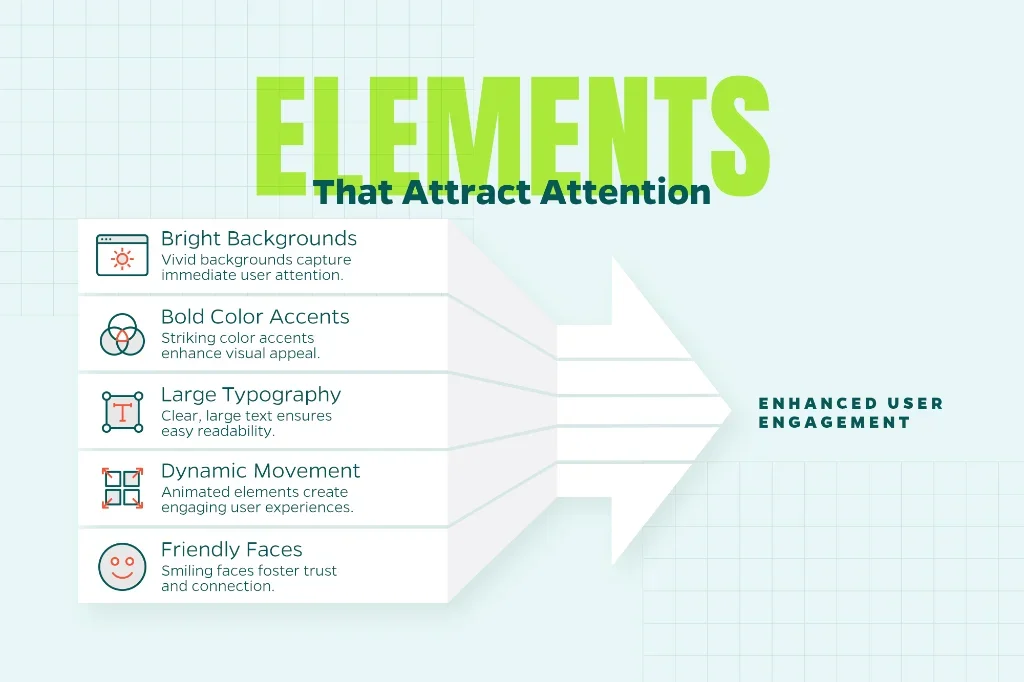
You don’t need to be flashy. You just need to stand out from the surrounding content.
8. Build Variations and Let Meta’s Algorithm Test Them
Even the strongest creative isn’t perfect on the first try. Meta’s advantage is its ability to rapidly test variations at scale. You just need to give it the materials to work with.
Aim to create multiple versions of each element:
- 3-5 different hooks
- 2-3 different CTAs
- UGC and non-UGC versions
- Static and video versions
- Multiple headlines and primary text options
Then, let Meta’s Advantage+ and machine learning optimization determine the best combination. This approach not only improves performance but also keeps your ads from fatiguing too quickly.
9. Keep Your Branding Present but Not Overwhelming
Strong branding builds recognition. But heavy-handed branding can feel like an interruption. The key is subtle, consistent presence.
Examples of balanced branding:
- A logo watermark in one corner
- Brand colors used sparingly
- A quick end-screen with logo + CTA
- A branded product or packaging visible in the shot
People should know it’s you without feeling like you’re shouting your name at them.
10. Include Social Proof Whenever Possible
Humans trust other humans more than they trust marketing claims. That’s why social proof is one of the strongest conversion drivers in Meta ads.
You can incorporate:
- Reviews
- Ratings
- Customer quotes
- “Trusted by 15,000+ marketers” statements
- Industry awards
Even a simple overlay like “4.8 stars from 2,400 reviews” can dramatically improve trust and reduce friction.
11. Write Copy That’s Conversational and Benefit-Driven
Meta ad copy should feel personal and easy to digest, not like a brochure or sales sheet.
Best practices:
- Speak directly to the user (“you,” “your business,” “your goals”)
- Focus on benefits over features
- Keep sentences short and mobile-friendly
- Use a clear CTA that matches your landing page intent
Examples:
- “Spend less time scheduling posts and more time growing your brand.”
- “Get your weekend back. Book your cleaning in 60 seconds.”
- “Finally, a budgeting tool that actually makes sense.”
Copy should reinforce your visual message, not compete with it.
12. Keep Testing and Refreshing Creative
Creative fatigue happens fast on Meta, sometimes within days for smaller audiences. Refreshing your creative frequently helps maintain performance and prevents rising costs.
A strong creative refresh process might include:
- Swapping the hook or opening shot
- Changing the background color
- Turning a UGC video into a carousel or static graphic
- Adding enhanced motion or animation
- Updating the offer or CTA
You don’t always need a brand-new asset. Small changes can restore performance.
Final Thoughts
Meta’s ad ecosystem is crowded, competitive, and constantly evolving. But the brands that win consistently aren’t just targeting the right audience. They’re showing the right message in the right format, at the right moment. Just remember that great Meta creative:
- Grabs attention
- Communicates clearly
- Demonstrates value
- Builds trust
- Makes the next step obvious
By focusing on strong hooks, mobile-friendly formats, UGC authenticity, clean messaging, and relentless testing, marketers can dramatically improve their Meta ad performance and drive more conversions at lower cost.
Want help? Contact Straight North. We come alongside companies in building comprehensive campaign strategies that convert and elevate your marketing plan’s effectiveness.