

With platforms like Facebook, Instagram, Threads, and Messenger, Meta remains a powerful engine for lead generation. While plenty of advertisers complain about low-quality leads or skyrocketing costs, the reality is that Meta delivers exceptional results when campaigns are built with the right strategy, targeting, and optimization approach.
In this article, we’ll break down proven Meta advertising lead generation tactics that consistently drive high-quality leads—not just form fills. Whether you’re running B2B, B2C, or local service campaigns, these best practices will help you squeeze more value out of every ad dollar.
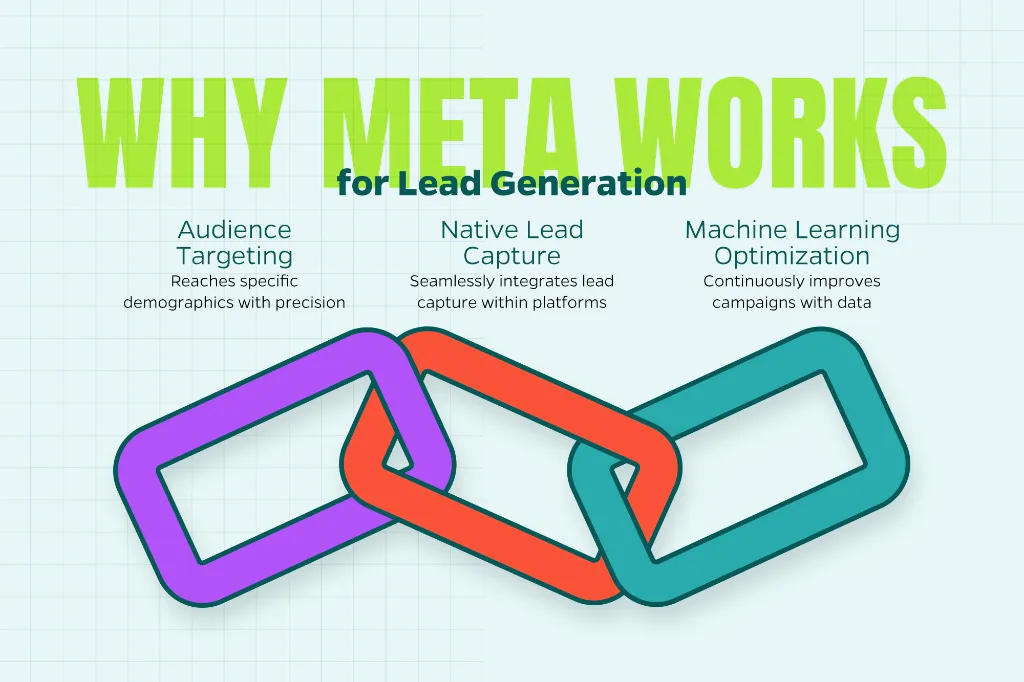
Why Meta Works for Lead Generation
With billions of active users and sophisticated targeting capabilities, Meta gives advertisers access to prospects at every stage of the buyer’s journey. Its strength lies in combining:
- Detailed audience targeting
- Native lead capture experiences
- Powerful optimization driven by machine learning
The challenge isn’t whether Meta can generate leads; it can. You need to ensure those leads are qualified, engaged, and ready to convert. Want to know how to obtain those high-quality leads? Below we offer 9 proven ways to make the most of leads generated from Meta.
1. Start with Clear Lead Quality Criteria
Before launching any campaign, define what a “high-quality lead” means for your business. This clarity shapes every decision that follows.
Ask questions like:
- “What budget, company size, or service need qualifies a lead?”
- “Are we optimizing for sales calls, demos, or form submissions?”
- “How quickly should leads convert after submission?”
Aligning Meta campaign goals with downstream CRM or sales data ensures you’re optimizing for outcomes.
2. Choose the Right Campaign Objective
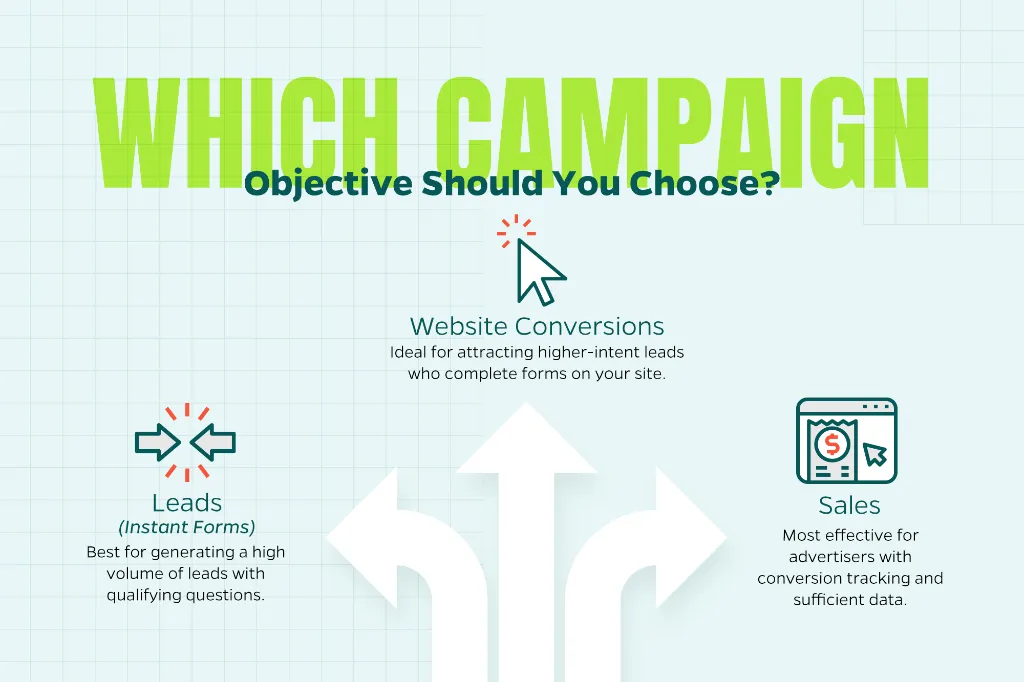
Meta offers multiple ways to generate leads, but not all objectives deliver the same quality. Top-performing objectives for lead quality include:
Leads (Instant Forms): Great for volume when paired with strong qualifying questions.
Website Conversions: Ideal for higher-intent leads who complete a form on your site.
Sales (Optimized for Leads or Qualified Events): Best for advertisers with conversion tracking and enough data to fuel Meta’s algorithm.
In most cases, website-based conversions produce fewer but higher-quality leads compared to native forms. The extra friction of clicking through to your site naturally filters out casual browsers.
3. Use Smart Audience Targeting (Not Over-Targeting)
One of the biggest mistakes advertisers make is over-narrowing audiences. Meta’s algorithm performs best when it has room to learn and explore.
Effective audience strategies include:
- Broad targeting with strong creative signals
- Lookalike audiences based on qualified leads or customers
- Retargeting website visitors and engaged users
- Excluding existing customers or low-quality segments
Rather than stacking interests and demographics, let Meta’s machine learning identify patterns among converters. Give it space to work.
4. Craft Ads That Pre-Qualify Prospects
Your ad creative should do more than grab attention. It should filter out the wrong prospects before they even click.
High-quality lead ads typically:
- Clearly state who the offer is for (and who it’s not)
- Address specific pain points or use cases
- Set expectations around pricing, commitment, or next steps
For example, mentioning “enterprise solutions” or “minimum monthly budgets” upfront can dramatically improve lead quality by discouraging unqualified clicks. It might feel counterintuitive to turn people away, but pre-qualification saves time and money downstream.
5. Optimize Lead Forms for Quality, Not Just Speed
Meta’s Instant Forms are powerful. Yet the default settings often prioritize ease over intent.
Best practices for higher-quality leads include:
- Using the “Higher Intent” form type
- Adding qualifying questions (budget, timeline, service needs)
- Avoiding generic auto-fill fields when possible
- Including a clear confirmation screen explaining next steps
Yes, this approach may reduce submission volume. But the tradeoff is stronger leads that are far more likely to convert. Quality beats quantity every time.
6. Align Landing Pages with Ad Messaging
When driving traffic to your website, consistency is everything. A disconnect between ad messaging and landing page content is one of the fastest ways to tank conversion quality.
High-performing landing pages:
- Match the ad’s headline and offer
- Focus on one clear conversion goal
- Include trust signals (reviews, certifications, case studies)
- Load quickly and perform well on mobile
The smoother and more coherent the user experience, the higher the likelihood of capturing serious prospects who want what you’re offering.
7. Track Lead Quality Beyond Meta
Meta optimization improves dramatically when fed real performance data—but that requires proper tracking beyond the platform itself.
To improve lead quality over time:
- Integrate Meta with your CRM or marketing automation platform
- Track which leads turn into opportunities or sales
- Use offline conversions or qualified lead events where possible
This feedback loop allows Meta to learn which users are most likely to convert into revenue, not just submit forms. It’s the difference between optimizing for activity and optimizing for business growth.
8. Test Creatives and Offers Continuously
What worked six months ago may not work today. Continuous testing is essential for maintaining lead quality at scale.
Test variations of:
- Messaging angles and value propositions
- Creative formats (video, carousel, static images)
- Offers (consultations, audits, demos, gated content)
Over time, patterns will emerge that reveal which combinations drive the strongest leads. Testing is how you stay competitive.
9. Balance Cost Per Lead with Cost Per Opportunity
A low cost per lead can be misleading if those leads never convert. Instead, evaluate performance using metrics like:
- Cost per qualified lead
- Cost per sales opportunity
- Lead-to-close rate
This broader view ensures your Meta campaigns are supporting real business growth—not just surface-level efficiency metrics that look good in a dashboard but don’t move the needle.
Final Thoughts
Meta lead generation is far from dead. Yet, success today requires a more thoughtful, data-driven approach. By focusing on qualification, alignment, and optimization across the full funnel, businesses can consistently generate high-quality leads that turn into revenue.
The key is moving beyond volume and focusing on what truly matters: leads that convert. With the right strategy, Meta can remain one of your most reliable and scalable lead generation channels.
Need Help Optimizing Your Meta Lead Gen Strategy?
If you’re struggling with lead quality or want to get more out of your Meta advertising investment, Straight North can help. Our team specializes in building data-driven campaigns that deliver real, qualified leads—not just form fills. Contact us today to learn how we can improve your Meta performance and turn more leads into customers.