


If you want your business to rank in local search results, you probably already know that links matter. Earning backlinks from websites in your geographic area sends a strong signal to search engines that your business is a relevant, trusted part of the local community. The challenge is that many businesses focus exclusively on content-driven link building, which can overlook some of the most effective tactics available to local companies.
The good news is that local link building doesn’t have to be complicated. There are practical, proven approaches you can use to build a solid backlink profile that supports your local SEO goals. Most of them come down to building relationships in your community.
Set Up Local Business Directories
Before diving into more advanced tactics, make sure the basics are covered. Getting listed in local business directories is one of the quickest ways to earn relevant backlinks. These aren’t glamorous, but they’re foundational.
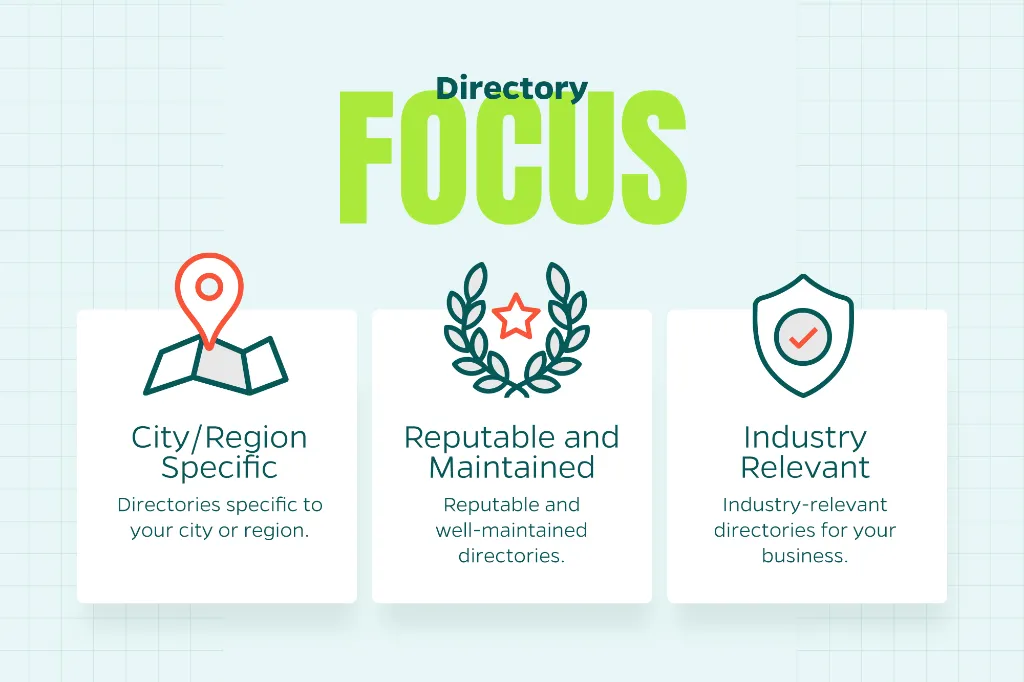
Focus on directories that are:
- Specific to your city or region (e.g., a local chamber of commerce member directory)
- Industry-relevant (e.g., a regional home builders association if you’re a contractor)
- Reputable and well-maintained, not low-quality link farms
Citations from directories like the Better Business Bureau, your local chamber of commerce, and niche industry associations carry weight, too. They’re also relatively easy to obtain compared to editorial links.
Contact Local Organizations
Sponsoring a local event, supporting a nonprofit, or partnering with a community organization is one of the most reliable ways to earn local backlinks. When you sponsor a charity run, fund a youth sports team, or donate to a school fundraiser, those organizations typically mention and link to your business from their website.
These links tend to be highly trusted because they come from established local entities such as schools, nonprofits, and civic groups. Beyond SEO, the goodwill and brand visibility you generate can pay dividends in other ways, too.
When pursuing this type of link building, look for organizations that have an active, well-maintained website. A sponsorship link on a site that hasn’t been updated in three years has less value than one on a regularly updated community hub.
Build Relationships with Local Media
Local news outlets, community blogs, and neighborhood publications are excellent sources of backlinks. You just need to give them a reason to write about you.
Think about what makes your business newsworthy on a local level. A significant business milestone, a hiring announcement, a unique community initiative, or a knowledgeable spokesperson offering commentary on a local topic can earn good coverage. Local journalists are often looking for credible sources and interesting stories that resonate with their audience.
You don’t need to hire a PR firm to make this work. Building a simple list of local reporters and bloggers who cover your industry or neighborhood, and reaching out with relevant story ideas, can go a long way. Keep pitches brief and make it easy for them to say yes.
Leverage Local Partnerships
Think about the businesses you already work with to leverage partnerships. This could be suppliers, vendors, complementary service providers, or even longtime customers who run their own companies. Many of these relationships can become link opportunities.
Reach out to partners and ask if they feature their preferred vendors or collaborators on their website. If you’ve done great work for a client who happens to have a strong local web presence, a case study or testimonial on their site linking back to yours is worth pursuing. Co-marketing efforts — like jointly hosting a local workshop or webinar — can also generate links from both parties’ websites and any promotional coverage the event receives.
The important thing is that these link opportunities arise naturally from relationships that already exist. That makes them easier to secure and more credible in the eyes of search engines.
Create Locally Relevant Content
Content-driven link building works best when the content speaks directly to your local audience. Rather than writing generic industry articles, create resources that are specific to your community and region.
Here are some examples of locally relevant content that tends to earn links:
- A guide to local regulations or requirements relevant to your industry
- A roundup of community resources (e.g., a roofing company publishing a storm preparedness checklist for homeowners in their city)
- Data or research about your local market that other local sites would find useful to reference
Local content can be shared and linked to by other businesses in the area, referenced by local bloggers, or picked up by community news sites. The more useful it is to a local audience, the more likely it is to earn organic links over time.
Reclaim Unlinked Brand Mentions
Chances are your business has been mentioned online without a link back to your website. Local news articles, blog posts, or business review roundups may name your company without linking to it. These are relatively easy wins.
Set up Google Alerts for your business name and monitor for new mentions. When you find an unlinked mention, reach out to the publisher politely and ask if they would add a link. Most of the time, they’re happy to do so. This is especially true if the mention is positive and the request is brief and professional.
Don’t Overlook Local Educational and Government Sites
Links from .edu and .gov domains are among the most authoritative a website can earn. While they’re not easy to get, local opportunities do exist. Think about whether your business could:
- Partner with a local college on an internship or educational program
- Sponsor a scholarship that the school lists on their website
- Be featured on a city or county economic development page as a local business resource
These opportunities require more effort to identify and pursue, but the backlink value makes them worth the investment if you can make a credible case for inclusion.
Keep Quality Over Quantity in Mind
It’s worth repeating: a handful of high-quality, locally relevant backlinks will do more for your local SEO than hundreds of links from irrelevant or low-quality sources. Focus your efforts on building links that make sense given your business, your location, and the audiences you serve.
Local link building is also a long game. The relationships you develop with community organizations, media contacts, and business partners won’t always produce immediate results, but they tend to compound over time. This produces stronger and more durable SEO value than shortcuts ever could.
Need Help?
Ready to strengthen your local SEO through smart link building? Contact Straight North to learn how we can help.