
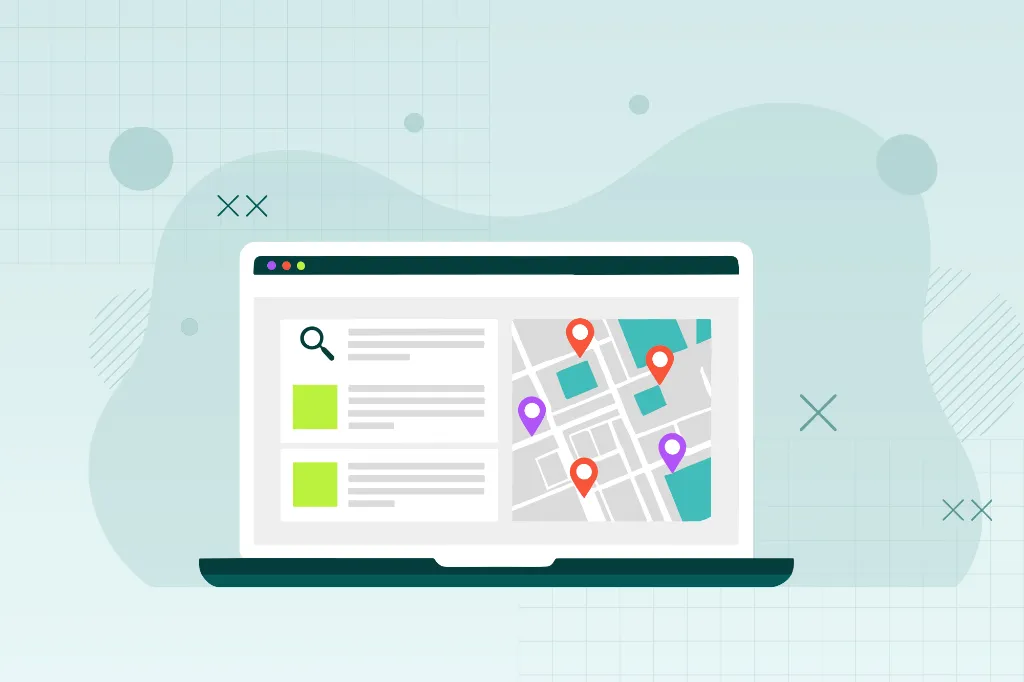
When a potential customer searches for a local business, a lot happens in the seconds before they land on your website. Search engines scan dozens of data sources to determine which businesses are credible, relevant, and worth surfacing. Local business directories are a big part of that equation. So, if your listings are incomplete, inconsistent, or missing altogether, you may be losing ground to competitors.
Yes, being listed on the right directories improves your local SEO. But it also builds trust with prospective customers who encounter your business for the first time. Whether someone finds you through a quick Google search or browses a niche directory in your industry, your presence sends a signal about how professional and established your business is.
Here is a look at the directories that matter most and why they deserve your attention.
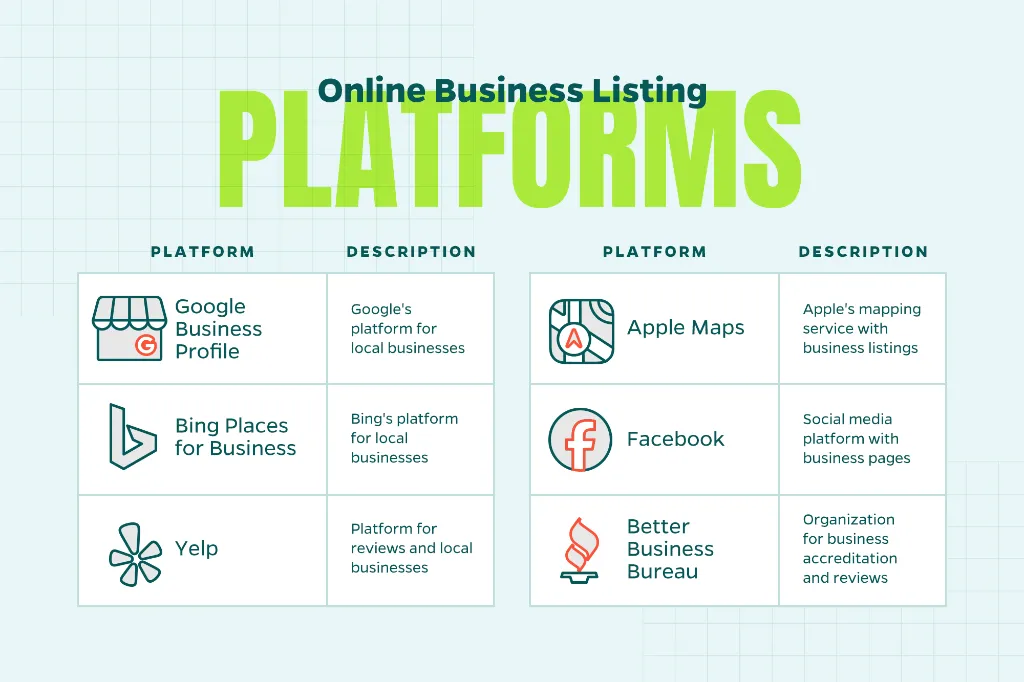
Google Business Profile
No directory carries more weight than Google Business Profile (GBP). It is the source of the information that appears in Google’s local pack. This local pack consists of the three business listings that show up prominently in search results when someone looks for a service “near me” or in a specific city. If you are only going to claim and optimize one directory listing, this should be it.
A fully optimized GBP listing includes your business name, address, phone number, hours, website URL, a description of your services, and photos. Reviews posted here directly influence how Google ranks you locally, and they shape first impressions for customers who find you in search.
Bing Places for Business
Bing holds a smaller share of the search market than Google, but it still accounts for a meaningful portion of searches — particularly among desktop users and older demographics. Bing Places for Business functions similarly to GBP and powers local search results on Microsoft’s search engine. Claiming your listing here is straightforward, and it expands your visibility to an audience you might otherwise overlook.
Yelp
Yelp remains one of the most visited directories in the U.S., particularly for consumer-facing businesses in restaurants, home services, healthcare, and retail. Beyond its own platform, Yelp data feeds into other services and apps, which means your listing here can have a wider reach than the site itself suggests.
Yelp reviews carry significant influence over purchasing decisions. Businesses that actively manage their Yelp presence — responding to reviews, keeping information current, and uploading quality photos — tend to build stronger reputations on the platform.
Apple Maps
Apple Maps is the default mapping app on iPhones and iPads, which gives it enormous reach. When someone asks Siri for a restaurant recommendation or searches for a local business on their iPhone, Apple Maps is often the source of that information. Claiming your listing through Apple Business Connect ensures your business shows up accurately for the hundreds of millions of Apple device users.
This is one directory that many small businesses overlook, which makes it an opportunity for those who take the time to claim and optimize their listing.
Facebook functions as a directory in ways that are easy to underestimate. Many users search for businesses directly on the platform to check hours, read reviews, look at photos, or see if friends have recommended the business. A complete and active Facebook business page also signals credibility to Google, contributing to your overall local SEO effort.
Make sure your page includes accurate contact information, your website URL, and a consistent business description. Even if social media is not a major part of your marketing strategy, having a well-maintained Facebook presence is worth the effort.
Better Business Bureau
The Better Business Bureau (BBB) carries a level of trust that few other directories can match. For many consumers a BBB rating is a meaningful signal that a business is reputable. Being listed here, and particularly earning accreditation, can be a real differentiator.
Beyond consumer trust, a BBB listing also provides a valuable backlink to your website, which contributes to your domain authority over time.
Industry-Specific Directories
Beyond general-purpose directories, there are niche directories tailored to specific industries that can drive highly qualified traffic to your business. The right ones depend on your sector, but some examples include:
- Healthgrades, Zocdoc, and Vitals for healthcare providers
- Houzz and Angi for home improvement and contractor businesses
- Avvo and Justia for legal professionals
- ThomasNet for B2B industrial and manufacturing companies
These directories matter because people using them are often further along in the buying process. They know what they need: the right provider. A strong, complete listing in the right niche directory puts you in front of that audience at exactly the right moment.
Why Consistency Across Listings Matters
Getting listed is only part of the work. What trips up many businesses is inconsistency. That includes small variations in how the business name, address, or phone number appears across different directories. Search engines cross-reference this information, and discrepancies can undermine the trust signals you are trying to build.
If your business has moved, changed phone numbers, or updated its hours, those changes need to be reflected everywhere, not just on your website. Audit your listings periodically to catch any outdated or incorrect information before it causes problems.
Getting Started
If you have not yet claimed and optimized your listings on the directories above, that is the place to start. Prioritize Google Business Profile first, then work your way through the others systematically. For industry-specific directories, focus on the two or three that are most relevant to your business rather than trying to be everywhere at once.
Local directory listings require occasional updates and monitoring to stay accurate and effective. But for businesses that invest the time, the payoff makes it worth the effort.
Need Help?
Contact Straight North to learn how our local SEO services can improve your search visibility and bring more customers to your door.