
Pay-per-click (PPC) advertising is one of the most effective ways to drive qualified traffic to your website. But managing a successful campaign requires more than just setting a budget and writing a few ads. There are a lot of moving parts: keyword research, ad creation, tracking, optimization, and reporting. Fortunately, PPC tools can make your job easier, save time, and help you achieve better results.
Let’s dive into the essential PPC tools that top marketers are using in 2025 to maximize their campaign performance.
Campaign Management and Optimization
1. Google Ads Editor
Think of Google Ads Editor as your command center for large-scale campaign management. This free desktop application lets you make bulk changes across multiple campaigns without the lag of working in a browser. Need to update bids across 50 ad groups? Done in minutes. Want to copy an entire campaign structure? No problem.
The offline functionality is a game-changer. You can work on your campaigns during a flight or anywhere without internet, then upload everything when you’re back online.
Why it’s useful:
- Make bulk changes to bids, ad copy, and targeting in seconds
- Work offline and sync changes later
- Simplify A/B testing across campaigns
- Copy campaigns between accounts effortlessly
2. Microsoft Advertising Editor
Don’t sleep on Microsoft Advertising (formerly Bing Ads). While it might not have Google’s market share, it often delivers lower CPCs and reaches a unique audience demographic—particularly valuable in B2B markets. Microsoft Advertising Editor mirrors many of Google’s features, making it easy to manage campaigns across both platforms.
Plus, you can import campaigns directly from Google Ads, saving hours of manual setup time.
Why it’s useful:
- Seamlessly import and optimize Google Ads campaigns
- Access a less competitive advertising landscape
- Manage bulk edits efficiently
- Compare performance across platforms
3. Skai (formerly Kenshoo)
Think of Skai as your enterprise-grade command center for managing campaigns across multiple platforms at scale. This unified marketing platform brings together search, social, retail media, and app advertising in one place. This makes it a powerhouse for brands and agencies juggling complex, multi-channel campaigns.
The platform’s AI-driven optimization and automated bidding strategies help you make smarter decisions faster. Need to manage campaigns across Google, Meta, Amazon, Apple Search Ads, and a dozen other channels? Skai’s cross-channel reporting and analytics give you a holistic view of performance without jumping between platforms.
Why it’s useful:
- Manage campaigns across search, social, and retail media from one platform
- AI-powered budget allocation and bid optimization across channels
- Advanced audience segmentation and targeting capabilities
- Robust reporting with customizable dashboards and automated insights
- Seamless integration with major ad platforms and marketing tools
Keyword Research and Competitive Intelligence
4. Google Keyword Planner
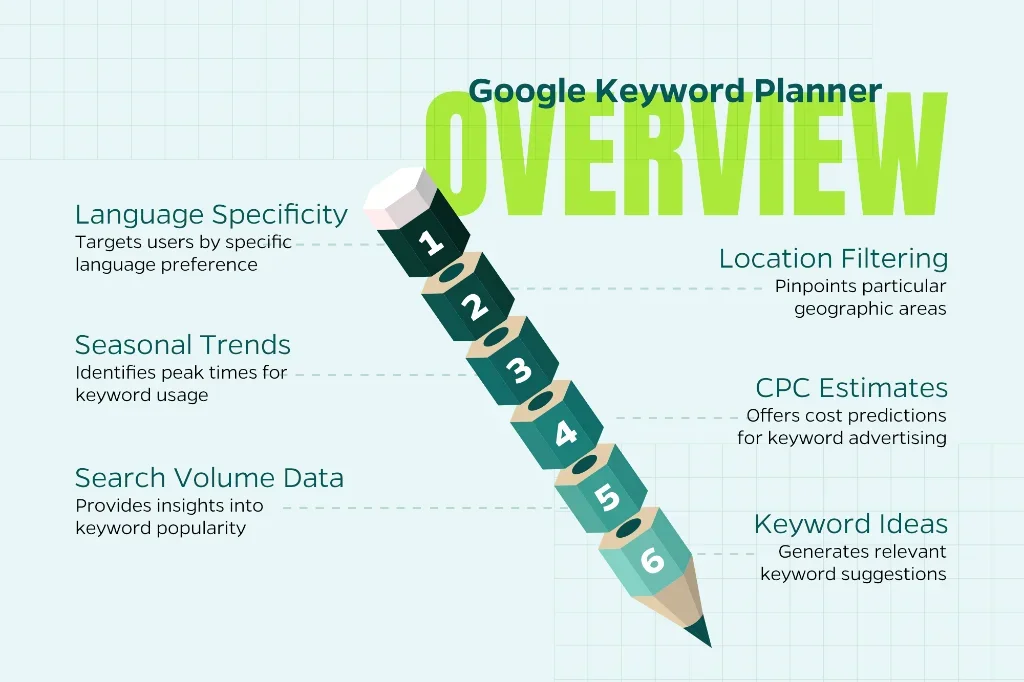
You can’t build a house without a solid foundation, and you can’t build a PPC campaign without thorough keyword research. Google Keyword Planner remains the go-to tool for discovering new keyword opportunities, understanding search volume trends, and estimating costs before you commit your budget.
Why it’s useful:
- Generate keyword ideas based on your products, services, or website
- Access search volume data and CPC estimates straight from the source
- Discover seasonal trends to time your campaigns perfectly
- Filter by location and language for targeted campaigns
5. SEMrush
SEMrush is like a Swiss Army knife of digital marketing tools. Its PPC features go far beyond basic keyword research. You can reverse-engineer your competitors’ entire ad strategies, identify gaps in your own campaigns, and track performance changes over time.
Want to know which keywords your biggest competitor is bidding on? SEMrush shows you. Curious about their ad copy? You’ll see that too. It’s competitive intelligence that helps you stay one step ahead.
Why it’s useful:
- Uncover competitor keywords and ad copy strategies
- Find negative keyword opportunities to reduce wasted spend
- Track ad position changes and SERP features
- Analyze both paid and organic search opportunities
6. SpyFu
SpyFu takes competitor research to another level by showing you not just what your competitors are doing now, but what they’ve done historically. You can see which keywords brought them the most traffic, how their ad copy has evolved, and even estimate their ad spend over time.
This historical perspective is invaluable for understanding seasonal patterns and long-term strategy shifts in your industry.
Why it’s useful:
- Access years of competitor PPC data
- Identify their most profitable keywords
- See ad copy variations and testing history
- Discover untapped keyword opportunities in your niche
Automation and Bid Management
7. Optmyzr
If you’re drowning in campaign optimization tasks, Optmyzr is your lifeline. This platform uses machine learning to surface data-driven recommendations, automate routine tasks, and improve quality scores. It’s particularly valuable for agencies and in-house teams managing multiple accounts.
The rule engine lets you set custom automations—like pausing underperforming ads or adjusting bids based on weather conditions or time of day.
Why it’s useful:
- Automate bid adjustments based on performance data
- Get AI-powered optimization suggestions
- Improve quality scores systematically
Landing Page and Conversion Optimization
8. Instapage
Instapage takes landing page optimization seriously with features designed specifically for PPC marketers. The platform’s AdMap technology connects each ad to its own post-click landing page, ensuring message match. This is a critical factor in conversion rates and quality scores.
Why it’s useful:
- Create personalized landing pages at scale
- Ensure ad-to-page message consistency
- Collaborate with teams using built-in workflow features
- Access detailed heat maps and analytics
9. Unbounce
Your ad might be perfect, but if your landing page doesn’t convert, you’re burning money. Unbounce makes it easy to create high-converting landing pages without touching code. The drag-and-drop builder, combined with AI-powered copywriting assistance, helps you launch pages faster. Plus, built-in A/B testing lets you continuously optimize for better conversion rates.
Why it’s useful:
- Build landing pages without a developer
- Run A/B tests to improve conversion rates
- Use AI to generate copy and layout suggestions
- Integrate seamlessly with your ad platforms
Analytics and Reporting
10. Google Analytics 4
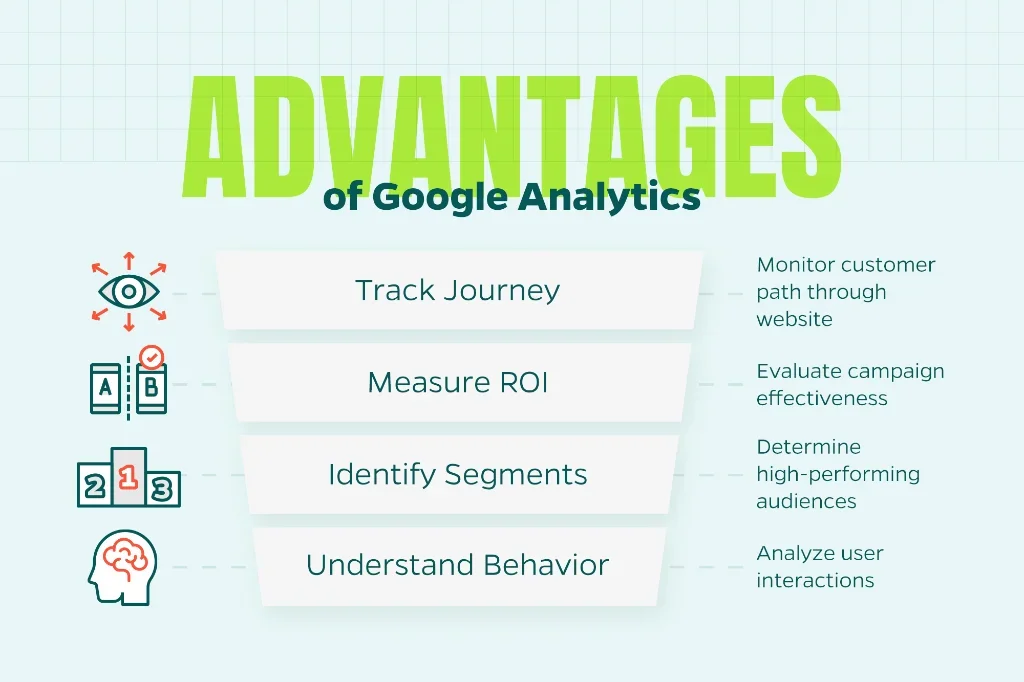
Clicks are nice, but conversions pay the bills. Google Analytics 4 (GA4) shows you exactly what happens after someone clicks your ad. Which campaigns drive the most revenue? Where do visitors drop off? Which audience segments convert best? GA4 answers these questions and more.
With proper tracking setup, you can attribute conversions accurately and calculate true ROI—not just surface-level metrics.
Why it’s useful:
- Track the complete customer journey from click to conversion
- Measure ROI by campaign, ad group, and keyword
- Identify high-performing audience segments
- Understand user behavior with event-based tracking
The Bottom Line
The PPC landscape in 2025 is more sophisticated than ever, but so are the tools available to help you succeed. The right combination of tools won’t just make your job easier. It will help you uncover opportunities you didn’t know existed, optimize faster than your competitors, and ultimately drive better ROI for your campaigns.
At Straight North, we leverage these tools and more to deliver exceptional PPC results for our clients. Want to learn more about how we can help your business? Let’s talk.