


Blogging has evolved from a simple brand awareness tool into one of the most effective lead generation strategies in digital marketing. When done well, a blog attracts potential customers who are actively researching solutions.
For companies that rely on inbound marketing, a well-planned blog can become a consistent pipeline of qualified leads. The key is writing content that not only ranks in search engines but also motivates readers to take the next step.
A lead-generation blog is one of the most effective tactics in a comprehensive content marketing plan. Below are some of the most important blog-writing best practices to help turn website visitors into leads.
Start with Clear Search Intent
Successful lead-generation blogs start long before the first sentence is written. The most effective posts are built around search intent, which is what a potential customer is trying to learn or accomplish when they search online.
In many cases, these searches happen early in the buying journey. Someone may not yet be ready to purchase, but they are researching options, comparing solutions, or learning how to solve a problem.
For example, instead of writing a general article about marketing strategy, a blog focused on “how to generate B2B leads online” targets a specific need. That specificity increases the likelihood that readers are potential customers rather than casual browsers.
When planning blog topics, prioritize:
- Questions prospects frequently ask your sales team
- Problem-focused searches related to your services
- Long-tail keywords with clear informational intent
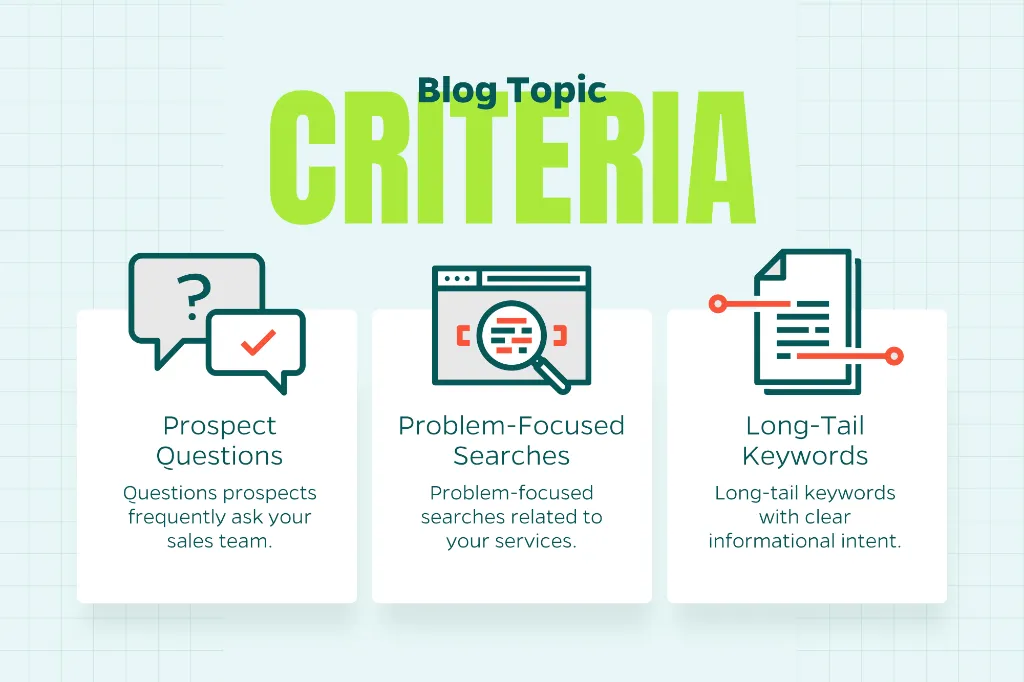
Content aligned with real user intent naturally attracts readers who are more likely to convert.
Focus on Problems Your Audience Wants Solved
A blog designed for lead generation should always center on the reader’s challenges rather than the company’s offerings. Many businesses make the mistake of turning blog posts into subtle sales pitches. While promoting your expertise is important, readers primarily want helpful information that addresses their concerns. Start by identifying the pain points your ideal customer experiences. Then create content that offers clear, practical guidance.
This might include:
- Explaining how to fix a common industry problem
- Breaking down complex processes step by step
- Comparing potential solutions
- Highlighting common mistakes and how to avoid them
When readers feel that your content helps them, they’re far more likely to trust your brand and engage further.
Write Headlines That Attract the Right Readers
Your headline determines whether someone clicks on your article in search results or scrolls past it. For lead generation, the goal isn’t simply attracting traffic. It’s attracting the right traffic. A clear, benefit-focused headline sets accurate expectations and encourages qualified readers to click.
Strong blog headlines often include:
- A specific problem or goal
- A clear benefit
- A number or structured format
For example:
- “7 Ways to Improve Lead Quality from Your Website”
- “How B2B Companies Can Generate Leads With SEO”
- “Common Lead Generation Mistakes and How to Avoid Them”
Clarity usually performs better than cleverness. Readers scanning search results want to quickly understand what they’ll gain from the article.
Make Posts Easy to Scan
Online readers rarely consume blog posts word for word. Instead, they scan for relevant sections before deciding whether to read more deeply. A well-structured article improves readability and keeps users engaged longer. Best practices include:
- Using clear subheadings to organize sections
- Keeping paragraphs relatively short
- Including bullet points or numbered lists where appropriate
- Highlighting key ideas within the content
This structure helps readers quickly locate the information they need. It also improves the overall user experience, which can indirectly benefit search visibility.
Include Strategic Internal Links
Internal linking is a powerful but often overlooked component of blog-based lead generation. When readers discover helpful information on your blog, they may want to explore related topics or learn more about your services. Strategic internal links guide them toward deeper engagement with your website.
Effective internal links often connect to:
- Relevant service pages
- Related blog articles
- Case studies
- Downloadable resources
For example, if a blog discusses improving SEO performance, linking to your agency’s SEO service page gives interested readers a natural path to learn more.
The goal is to create a logical content journey that gradually moves visitors closer to becoming leads.
Offer Valuable Lead Magnets
High-quality content builds trust, but converting readers into leads often requires an additional incentive. Lead magnets are resources offered in exchange for a visitor’s contact information. When aligned with the topic of a blog post, they can significantly increase conversion rates.
Common examples include:
- Industry guides
- Checklists or templates
- White papers
- Research reports
- Webinars or educational videos
For instance, a blog about improving website conversions could offer a downloadable conversion optimization checklist. Readers who found the article useful are more likely to exchange their email address for a deeper resource.
The most effective lead magnets provide practical value and directly relate to the topic of the blog.
Use Clear Calls to Action
Even the best content won’t generate leads without a clear next step. Every lead-focused blog post should include one or more calls to action that guide readers toward further engagement. Examples include:
- Downloading a resource
- Subscribing to a newsletter
- Requesting a consultation
- Viewing a case study
- Contacting your company for assistance
Calls to action should feel natural within the flow of the content rather than overly promotional. Many successful blogs place CTAs at the end of sections where readers have just learned something valuable.
A well-timed CTA turns passive readers into active prospects.
Optimize for SEO Without Sacrificing Quality
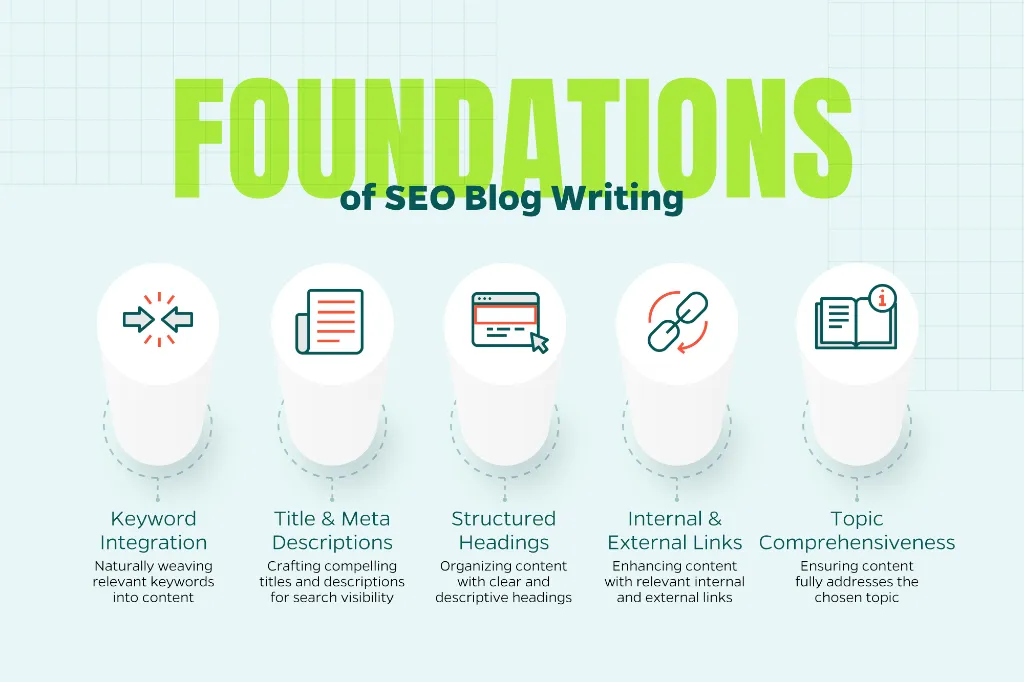
Search engine optimization is essential for attracting consistent organic traffic. However, an effective SEO strategy should support the reader experience rather than dominate it. Effective SEO blog writing focuses on:
- Incorporating relevant keywords naturally
- Writing descriptive title tags and meta descriptions
- Using structured headings
- Including internal and external links where helpful
- Ensuring the content fully addresses the topic
The most successful blogs strike a balance between optimization and readability. Content written primarily for humans tends to perform better in search results over time. Search engines increasingly reward helpful, authoritative content that genuinely answers users’ questions.
Keep Content Updated and Relevant
Lead generation blogs aren’t “set it and forget it” assets. Over time, statistics change, industry practices evolve, and search rankings shift. Regularly updating your blog content can help maintain visibility and improve performance. Updates might include:
- Refreshing outdated statistics or examples
- Expanding sections with additional insights
- Improving formatting or readability
- Adding new internal links
- Updating calls to action
A refreshed article can often regain search visibility and attract new readers without requiring a completely new post.
Measure Performance and Learn from the Data
Finally, successful lead-generation blogging requires ongoing measurement and refinement. Analytics tools can reveal which topics attract the most traffic, which posts generate leads, and where users drop off. Key metrics to monitor include:
- Organic traffic
- Time on page
- Conversion rates
- Click-through rates on calls to action
- Lead form submissions originating from blog pages
By studying these metrics, marketers can identify what resonates with their audience and adjust their content strategy accordingly. Over time, data-driven improvements can significantly increase the lead generation impact of your blog.
Turn Your Blog into a Lead Generation Engine
A strategic blog does much more than publish articles. It attracts the right audience, builds trust through helpful content, and guides readers toward meaningful engagement with your brand.
When blog posts are built around user intent, structured for readability, and paired with clear calls to action, they can become one of the most reliable sources of inbound leads.
If you want to turn your blog into a consistent lead generation channel, the team at Straight North can help. Contact Straight North today to learn how strategic content marketing and SEO can help your business attract more qualified prospects and grow your pipeline.