



Manufacturers have always understood the value of measuring performance. Numbers like production rates, defect ratios, and output per shift drive decisions every day. But when it comes to digital marketing, many manufacturers find themselves spending money without a clear picture of what it’s producing. That’s a problem worth solving.
Tracking digital marketing ROI is not a luxury reserved for retail brands and tech companies. For manufacturers selling to distributors, OEM partners, or directly to buyers, knowing which channels and campaigns drive real business results is just as important as knowing your cost per unit. This guide walks manufacturing marketers through the fundamentals of building a reliable system for measuring digital marketing performance.
Start with Clear, Measurable Goals
Before you can track ROI, you need to define what “return” means for your business. For many manufacturers, the end goal is a signed contract or a purchase order instead of an online transaction. Consequently, this complex sales cycle makes tracking harder. But it’s not impossible.
Start by identifying the key actions that indicate progress toward a sale. These might include a contact form submission from a qualified prospect, a request for a product sample or quote, a download of a technical data sheet, or a phone call from a potential buyer. Each of these is a conversion worth tracking. When you know what you’re counting, you can start counting it consistently.
Set Up Proper Conversion Tracking
Google Analytics 4 (GA4) is the foundation for most digital marketing measurement, and it should be configured on every manufacturer’s website. But having it installed is only half the job. You need to make sure the right events and conversions are being tracked.
Key conversions to configure in GA4 include form submissions, phone number clicks, file downloads (such as spec sheets or catalogs), and any “Request a Quote” interactions. Google Tag Manager makes this process more manageable, letting your marketing team set up and adjust tracking without needing to edit website code every time.
If you’re running paid search campaigns through Google Ads, connect your Google Ads account to GA4 and import your conversions. This closes the loop between your ad spend and the actions that matter, giving you a real cost-per-conversion figure rather than just a cost-per-click.
Don’t Let Phone Leads Fall Through the Cracks
Manufacturers often receive a significant portion of their inbound inquiries by phone. If those calls are not being attributed to a marketing source, you’re missing a major piece of the picture.
Call tracking platforms such as CallRail assign unique phone numbers to different marketing channels. Your Google Ads campaign gets one number, your organic search visitors see another, and so on. When a prospect calls, the platform records which channel prompted that call. This data integrates with GA4 and your CRM, giving you a complete view of how leads are coming in, not just the ones who filled out a form.
Connect Marketing Data to Your CRM
Website analytics can tell you where leads are coming from, but your CRM is where you find out what happened next. Did that contact form submission turn into a sales conversation? Did the prospect request a quote? Did they eventually place an order?
Integrating your marketing data with a CRM allows your sales and marketing teams to work from the same information. When a lead comes in, the source is captured alongside the contact record. Over time, you can see which channels are consistently generating leads that convert — not just leads that look promising in Google Analytics.
This connection is where manufacturers can gain a genuine competitive advantage. Most companies track clicks and form fills. Fewer track the full path from first website visit to closed deal. Building that visibility takes some setup, but it pays off in clearer decisions about where to allocate your marketing budget.
Understand Attribution and Its Limits
Attribution is the process of assigning credit to the marketing touchpoints that led to a conversion. In a perfect world, every prospect would find your website through one channel, take one action, and sign a contract. In reality, a buyer might see a LinkedIn ad, later search for your company by name, visit your website three times over two weeks, and then call your sales team.
GA4 uses a data-driven attribution model by default, which distributes credit across multiple touchpoints based on their actual influence on conversions. This is more accurate than older models that gave all the credit to either the first or last interaction. Still, no attribution model is perfect — especially when part of the buying process happens offline.
The practical takeaway is this: use attribution data to identify patterns and trends, not to assign precise blame or praise to individual campaigns. If organic search consistently appears in the conversion path for your highest-value leads, that tells you something worth acting on.
Benchmark and Report on a Consistent Schedule
Tracking ROI is not a one-time project. It requires ongoing review to be useful. Set a reporting cadence (monthly at minimum, weekly for active campaigns) and build dashboards that surface the metrics that matter most to your leadership team.
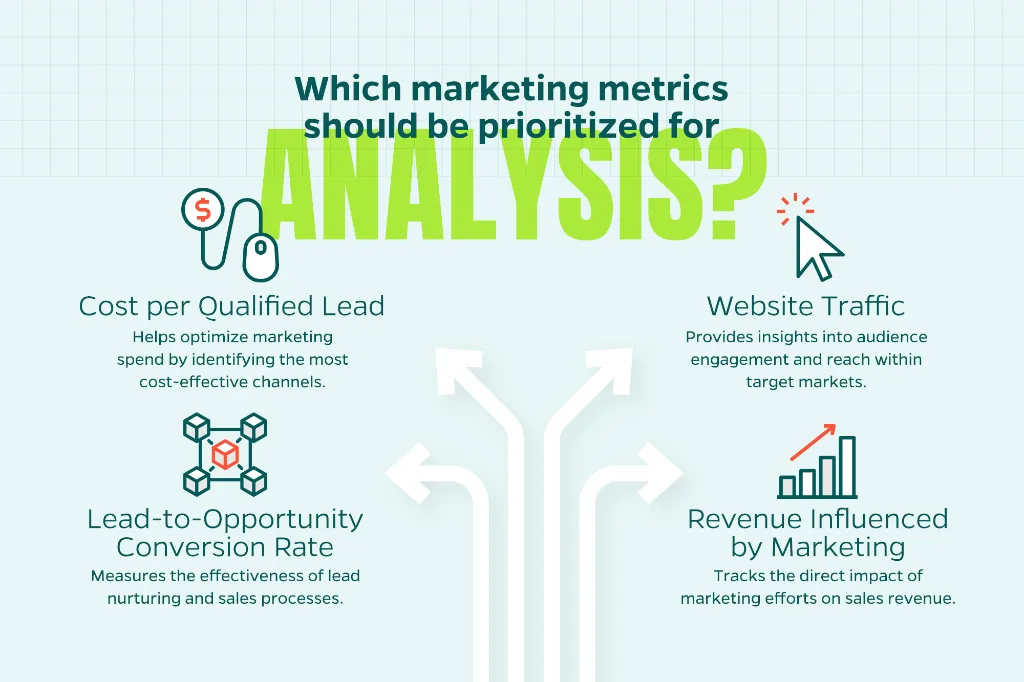
For manufacturers, useful marketing metrics typically include:
- Cost per qualified lead by channel
- Lead-to-opportunity conversion rate
- Revenue influenced by marketing (tracked through the CRM)
- Website traffic from target industries or geographies.
Once you have a few months of clean data, you can start to benchmark performance and set realistic improvement targets. That’s when digital marketing ROI tracking shifts from a reporting exercise into a tool for genuine business growth.
How to Get Started
The tracking infrastructure described here — GA4, conversion events, call tracking, CRM integration, attribution reporting — can feel like a lot to put in place, especially for manufacturers whose marketing teams are lean. But you do not need to do it all at once. Start with clean conversion tracking on your highest-priority pages, add call tracking, and build from there.
What matters most is that you stop flying blind. Every month you run digital marketing campaigns without proper measurement is a month of budget allocated on guesswork. With the right systems in place, you can see what’s working, cut what isn’t, and invest more confidently in the channels that move the needle for your business.
Need Help?
Straight North works with manufacturers to build the tracking infrastructure they need to make smarter marketing decisions. Contact us today to talk through where your current measurement gaps are and how we can help close them.