




Marketing your healthcare organization today is a challenge in one of the most competitive environments the industry has ever seen. Patients have more choices, more information, and higher expectations than at any point in the past. Whether you run a large health system or a boutique specialty clinic, offering quality care alone won’t make you stand out anymore.
Today’s patients research providers online, read reviews, compare services, and evaluate the entire experience before making a decision. Your digital presence and brand reputation often shape that decision long before someone sets foot in your office.
Fortunately, you have plenty of opportunities to differentiate your practice. By clearly communicating your strengths, improving the patient experience, and investing in smart digital marketing strategies, you can rise above the competition and attract the patients who need your services most.
Here are several practical ways to make your healthcare organization stand out.
Start with a Clear Value Proposition
Every healthcare organization has strengths, but many struggle to communicate them effectively. A strong value proposition helps patients quickly understand why they should choose you over the practice down the street.
Your value proposition should answer these essential questions:
- What makes your practice unique?
- What specific problems do you solve for patients?
- Why should someone trust you with their care?
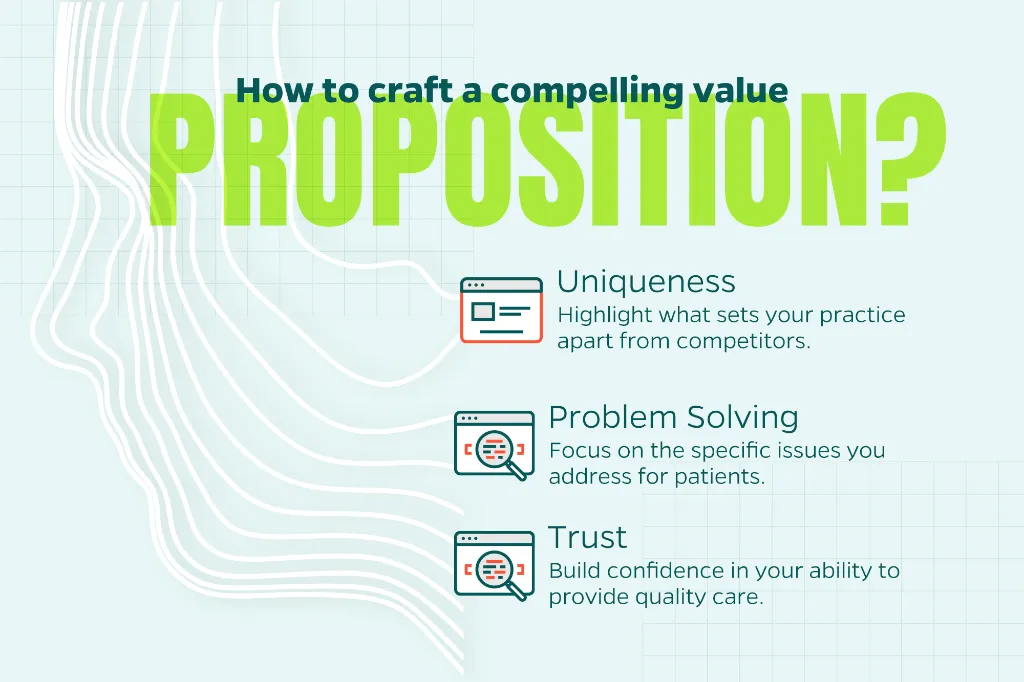
For some practices, differentiation comes from specialized expertise or cutting-edge technology. For others, it’s a reputation for compassionate care, minimal wait times, or exceptionally convenient access. The key is clarity. Patients should grasp what makes your practice different within seconds of landing on your website or seeing your marketing materials.
Eliminate vague messaging like “high-quality care” or “patient-focused service.” Nearly every provider makes the same claims. Instead, spotlight the specific characteristics that genuinely set you apart — maybe it’s your same-day appointments, your bilingual staff, or specialists in a niche area.
Build a Strong Online Presence
For most patients, the search for a healthcare provider starts online. Search engines, directories, and review platforms play an outsized role in shaping perceptions. A modern, easy-to-navigate website is no longer optional. Patients expect clear information about services, practitioner expertise, insurance acceptance, and appointment options. They also want to know what to expect during their visit.
Your website should make it simple to:
- Learn about your providers
- Understand your services
- Schedule appointments
- Find your location
- Contact your office
Search engine optimization (SEO) is equally critical. When patients search for care in your area, your organization needs to show up prominently in results. As part of a good SEO strategy, optimizing service pages, publishing helpful content, and maintaining accurate local listings can dramatically improve your visibility.
Healthcare organizations that consistently invest in their digital presence tend to gain a measurable edge in competitive markets.
Highlight Practitioner Expertise and Credentials
In healthcare, trust is everything. One of the most effective ways to build it is by showcasing your providers’ expertise. Patients want to know who will be treating them and why that person is qualified. Detailed provider profiles can make a real difference in patient decision-making.
Strong profiles typically include:
- Board certifications
- Specializations and clinical interests
- Education and training background
- Years of experience
- Professional affiliations
- Patient care philosophies
Many organizations also benefit from publishing educational content written or reviewed by their practitioners. Articles, videos, and FAQs allow providers to demonstrate expertise while helping patients better understand their conditions and treatment options.
This type of content supports SEO efforts and strengthens your reputation as a trusted resource — a win-win for visibility and credibility.
Prioritize the Patient Experience
Clinical outcomes matter tremendously, but the overall patient experience increasingly influences how healthcare organizations are perceived. From scheduling an appointment to post-visit follow-up, every touchpoint shapes a patient’s impression of your practice.
Common areas where practices can stand out include:
- Online appointment scheduling
- Shorter wait times
- Clear, jargon-free communication
- Friendly and responsive staff
- Transparent billing processes
- Convenient follow-up care options
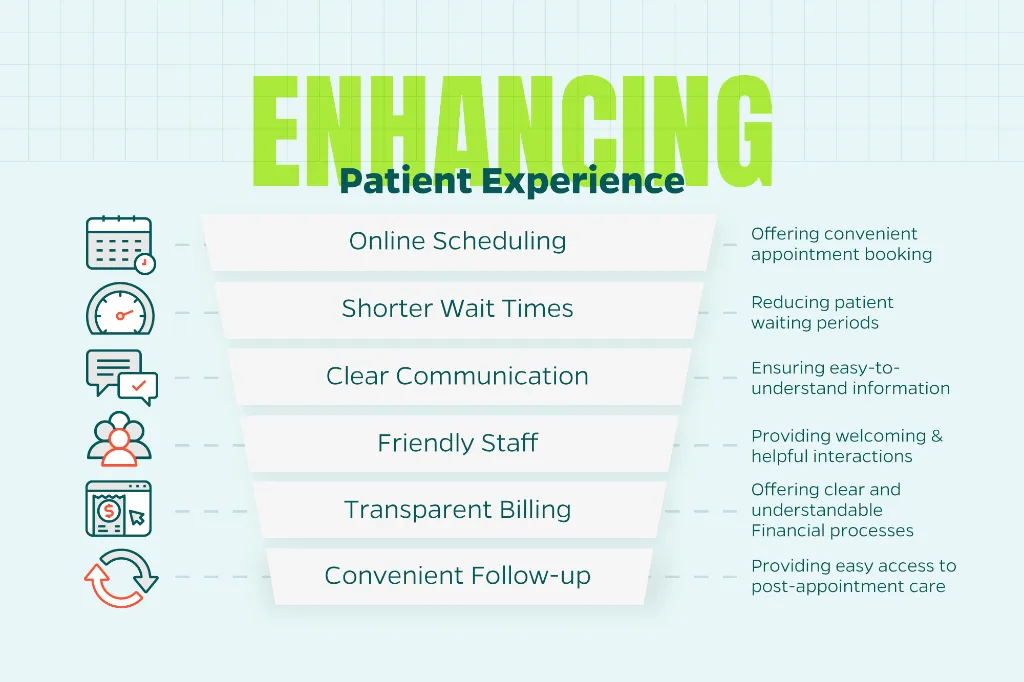
Even small improvements can have significant impact. Automated appointment reminders or a user-friendly patient portal can make the experience far more convenient for busy patients juggling work and family commitments.
When patients feel respected, informed, and supported, they’re much more likely to return and recommend your organization to others.
Leverage Patient Reviews and Reputation Management
Online reviews have become one of the most influential factors in healthcare decision-making. Patients often read multiple reviews before choosing a provider — sometimes more reviews than they’d read before buying a new appliance.
Actively managing your reputation helps ensure prospective patients see an accurate reflection of your organization. Encourage satisfied patients to leave reviews on platforms like Google and healthcare-specific directories. At the same time, monitor feedback regularly and respond thoughtfully to both positive and negative comments. When responding to reviews, maintain professionalism and respect patient privacy. Even a brief, gracious acknowledgment shows that your organization values patient feedback and takes it seriously.
Over time, a strong review profile can significantly boost trust and visibility in local search results.
Use Educational Content to Build Authority
Healthcare decisions can be complex, and patients often look for guidance online before seeking treatment. Educational content allows your organization to meet patients early in their journey. Blog articles, FAQs, videos, and downloadable guides can answer common questions like:
- What symptoms should I watch for?
- What are my treatment options?
- How can I prevent this condition?
- What should I expect during this procedure?
Providing clear, helpful information positions your organization as a trusted authority while improving search engine visibility. For example, a dermatology clinic might publish articles about skin cancer screenings, acne treatment options, or what to expect from cosmetic procedures. An orthopedic practice might create content around sports injury prevention or joint replacement recovery timelines.
Over time, a robust library of educational resources can attract steady organic traffic and support long-term patient acquisition.
Emphasize Community Connection
Many healthcare organizations underestimate the value of local community engagement. Patients often prefer providers who demonstrate genuine commitment to the communities they serve.
Community-focused initiatives might include:
- Free local health seminars
- Partnerships with schools or nonprofits
- Participation in health fairs
- Sponsorship of local events
- Preventive health campaigns
Sharing these efforts through your website, social media channels, and newsletters reinforces your role as a trusted community partner, not just another healthcare business. This kind of visibility builds goodwill and strengthens your brand reputation over time.
Invest in Data-Driven Marketing
Healthcare marketing has evolved rapidly in recent years. Organizations relying solely on traditional advertising often struggle to compete with more digitally savvy providers. Modern marketing strategies depend heavily on data and analytics. Tracking website traffic, patient inquiries, and campaign performance allows you to identify what’s working and where improvements are needed.
Examples of effective digital strategies include:
- Search engine optimization
- Paid search advertising
- Content marketing
- Local SEO and listings management
- Conversion rate optimization
- Marketing automation
These approaches allow you to reach patients at the exact moment they’re searching for care. By analyzing performance metrics and adjusting campaigns accordingly, you can continually refine your marketing efforts and maximize return on investment.
Consistency Builds Strong Brands
Differentiation isn’t achieved through a single campaign or initiative. It requires consistency across every interaction patients have with your organization. Your brand messaging, visual identity, website, advertising, and patient communications should all reinforce the same core message about who you are and what makes your practice unique.
When that message remains consistent over time, patients begin to associate your organization with specific qualities — whether that’s expertise, accessibility, innovation, or compassionate care.
This kind of brand recognition is one of the most powerful competitive advantages a healthcare organization can develop.
Partner with Experts Who Understand Healthcare Marketing
Healthcare organizations face unique marketing challenges. Strict regulatory requirements, patient privacy considerations, and complex decision-making processes all require specialized expertise. Working with an experienced digital marketing partner can help you navigate these challenges while implementing strategies that deliver measurable results.
If your organization is looking for ways to stand out in a competitive healthcare market, contact Straight North today. We can help you develop a strategy that strengthens your brand, improves patient acquisition, and supports long-term growth.