


For many B2B companies, LinkedIn marketing has plenty of potential but very little payoff. The problem usually isn’t the platform. It’s that the content feels disconnected from the audience. It seems more like a company news update than a reason to start a conversation.
Posts that attract real prospects do more than fill the feed. They speak to a specific need, make the reader pause, and create enough confidence for someone to take the next step.
That is the difference between posting for visibility and posting for pipeline. The goal is not simply to sound active on LinkedIn. It is to show the right people that you understand their challenges and can help them move forward. This article will offer you tips to maximize your leads on LinkedIn.
Start with a Hook
The first one or two lines of a LinkedIn post determine whether someone clicks “see more” or keeps scrolling. This opening line needs to do real work. A flat statement like “We’re excited to announce our new service” gives readers no reason to stop.
Stronger openings tend to do one of the following:
- Ask a question the reader’s target audience is already asking themselves
- Share a surprising statistic or result
- Name a common mistake or misconception
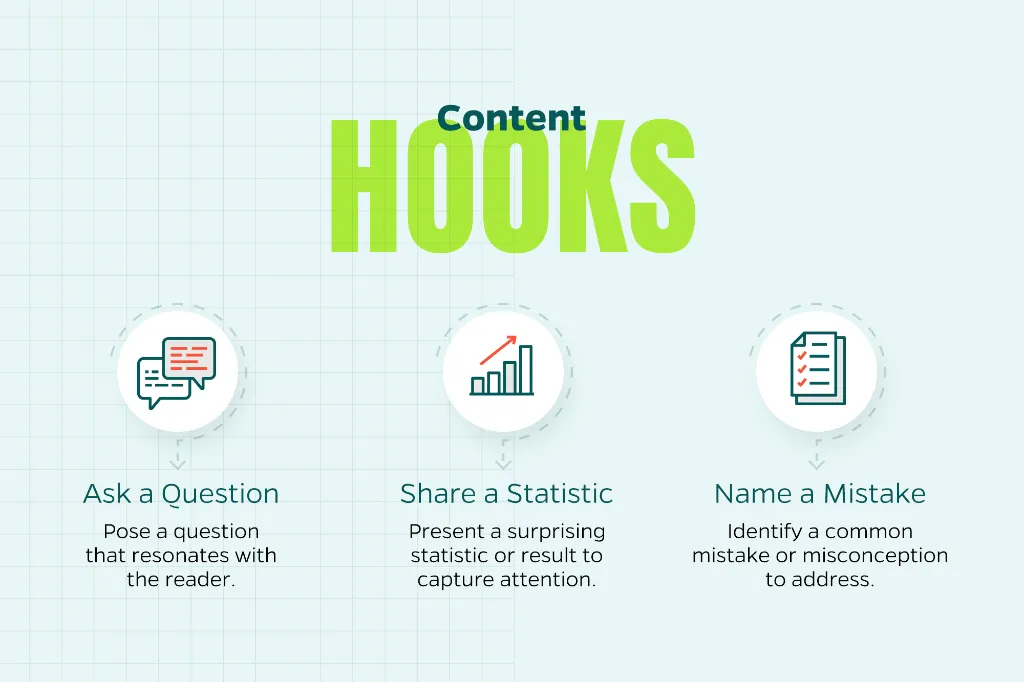
The goal is to make the reader feel like the post was written specifically for them, not blasted out to a generic audience. It also helps to write the hook last. Drafting the body of a post first, then going back to pull out the most interesting line or insight, often produces a stronger opening than trying to write a hook before you know what the post is about.
Lead with a Problem
LinkedIn users scroll past sales pitches without a second thought. But they slow down for content that names a problem they recognize. Before introducing a product, service, or company achievement, spend a few sentences describing the challenge from the reader’s point of view.
For example, a B2B software company might open with the frustration of sales teams losing track of follow-ups across five different tools, rather than jumping straight to a feature list. Readers connect with the problem first. The solution lands with far more credibility once that connection is made. This approach also makes a brand easier to remember. A post that simply lists product features blends in with dozens of similar posts. A post that names a frustration the reader has felt firsthand creates a moment of recognition. This helps readers remember (and identify with) a brand.
Use Short Paragraphs and White Space
LinkedIn’s mobile-first audience scrolls quickly, and dense blocks of text get skipped. Breaking content into short paragraphs makes a post easier to read and signals that it won’t take much time to get through.
This formatting choice matters more than it might seem. A post with generous white space feels approachable. A wall of text feels like homework, even if the content underneath is strong.
Back Up Claims with Specifics
Vague claims don’t build trust. “We help companies grow” could describe almost any business on the platform. Specific numbers, timeframes, and outcomes give a post weight.
Here are a few examples:
- “This client cut their cost per lead by 38% in four months.”
- “We reduced their onboarding time from six weeks to nine days.”
- “Three changes led to a 22% jump in demo requests.”
Specificity also makes a post easier to remember. This matters when a reader doesn’t need your services today but might in three months.
Write Like a Person Instead of a Press Release
Understandably, LinkedIn rewards posts that sound like they came from a human being. That means using contractions, varying sentence length, and omitting the corporate phrasing that creeps into so much B2B content.
First-person posts from individual employees, especially leadership, tend to outperform posts from a company page. People connect with people. A post written in a founder’s voice about a lesson learned will usually generate more engagement than the same idea posted as a company announcement.
This doesn’t have to be overly casual or unprofessional. It means writing the way you’d explain something to a colleague over coffee, then cleaning it up for clarity. That balance keeps a post sounding credible without sounding stiff.
Include a Clear, Low-Pressure CTA
A lead-generating post needs a next step, but that step shouldn’t feel like a hard sell. “Book a call with our sales team” works for some audiences, but softer CTAs often perform better on a platform built around relationship-building:
- “Comment ‘checklist’ and I’ll send over the framework we use to audit posts before they go live.”
- “If this sounds familiar, message me and I’ll share the three questions we use to spot the gap.”
- “Want the template behind this example? Leave a comment and I’ll point you to it.”
These CTAs invite a conversation instead of demanding a commitment. This fits how most LinkedIn users want to be approached.
Test, Track, and Refine
Even well-written posts won’t all perform the same way. Tracking which hooks, formats, and topics generate the most comments, shares, and profile visits over time reveals patterns specific to a given audience. A post style that works for one industry might fall flat in another, so it’s worth reviewing performance every few weeks rather than guessing.
Pay attention not just to likes, but to who is engaging. A flood of likes from people outside your target audience doesn’t translate to leads. A handful of comments and profile visits from decision-makers in your industry is a far stronger signal that a post is doing its job.
Turning Posts into Pipeline
Writing LinkedIn posts that generate leads comes down to treating each post as a relationship-building opportunity rather than a broadcast. A strong hook earns attention, a recognizable problem builds connection, specific proof builds trust, and a low-pressure CTA turns interest into a real conversation. Put those elements together consistently, and LinkedIn shifts from a place to post updates into a steady source of qualified leads.
Need Help?
Want help building a LinkedIn content strategy that drives real leads? Contact Straight North to see how our team can help.