


When a prospective patient searches for a cardiologist in their area or a primary care clinic that accepts their insurance, they are not just looking for a name and address. They are looking for a provider they can trust. That trust often begins forming long before anyone picks up the phone or books an appointment online. Search engines play a significant role in shaping that first impression.
Topical authority is the concept of becoming the recognized go-to source on a specific subject within your field. For healthcare organizations, building topical authority through your digital content can meaningfully improve your visibility in search results, attract better-qualified traffic, and ultimately help more patients find the care they need.
The good news is that this is not exclusively a big-budget endeavor. With the right strategy, independent clinics and specialty practices can compete effectively alongside larger institutions.
What Topical Authority Means in Healthcare
Search engines evaluate websites not just on individual pages, but on the breadth and depth of content covering a particular topic. A site that consistently publishes well-organized, accurate, and relevant content around a defined subject area signals to Google and other search engines that it is a credible resource in that space.
In healthcare, topical authority looks a little different than it does in, for example, software or retail. The stakes are higher, the audience’s questions are more personal, and there are privacy-focused, regulatory, and ethical considerations baked into every piece of content you create. But the underlying principle holds: if your website consistently covers the conditions, treatments, and patient concerns that are central to your specialty, search engines will increasingly rank your pages for the queries that matter most to your audience.
Start with a Clear Content Focus
The first step in building topical authority is deciding how you want to be known. That may sound obvious, but many healthcare organizations publish content inconsistently. They may publish a few blog posts on general wellness, a seasonal article about flu shots, and maybe a page about a new physician joining the practice. That scattered approach rarely builds the kind of depth that search engines reward.
Instead, map your content directly to your clinical specialties and the specific patient populations you serve. A dermatology clinic might build content pillars around acne treatment, skin cancer screening, cosmetic procedures, and pediatric dermatology. A multi-specialty hospital system might create separate, deeply developed content hubs for each service line. The key is intentionality: every piece of content should connect to a defined topic area rather than existing in isolation.
Cover Topics at Multiple Levels of Depth
One of the most effective ways to signal topical authority is by covering a subject comprehensively. This does not mean writing longer pages for the sake of word count. It means addressing the full range of questions your patients are likely to ask at different stages of their care journey.
Think of it as a content ecosystem. A broad service page explaining orthopedic surgery sits at one end of the spectrum. From there, you might develop supporting content around specific procedures, recovery timelines, what to expect before and after surgery, how to choose the right surgeon, and comparisons between surgical and non-surgical options. Each piece addresses a different point in the patient decision-making process, and together they reinforce your authority on the topic.
This approach works for small practices too. A solo physical therapy clinic does not need hundreds of pages to build authority. Covering a handful of conditions — say, lower back pain, rotator cuff injuries, and post-surgical rehab — with genuine depth and clinical accuracy can position that practice as a credible local resource for exactly the patients they want to attract.
Prioritize Accuracy and Clinical Credibility
Healthcare content falls under Google’s E-E-A-T guidelines — Experience, Expertise, Authoritativeness, and Trustworthiness. That means the quality bar for medical content is genuinely high, and shortcuts tend to backfire. Generic, vague, or inaccurate health information can hurt your rankings and, more importantly, mislead the patients you are trying to help.
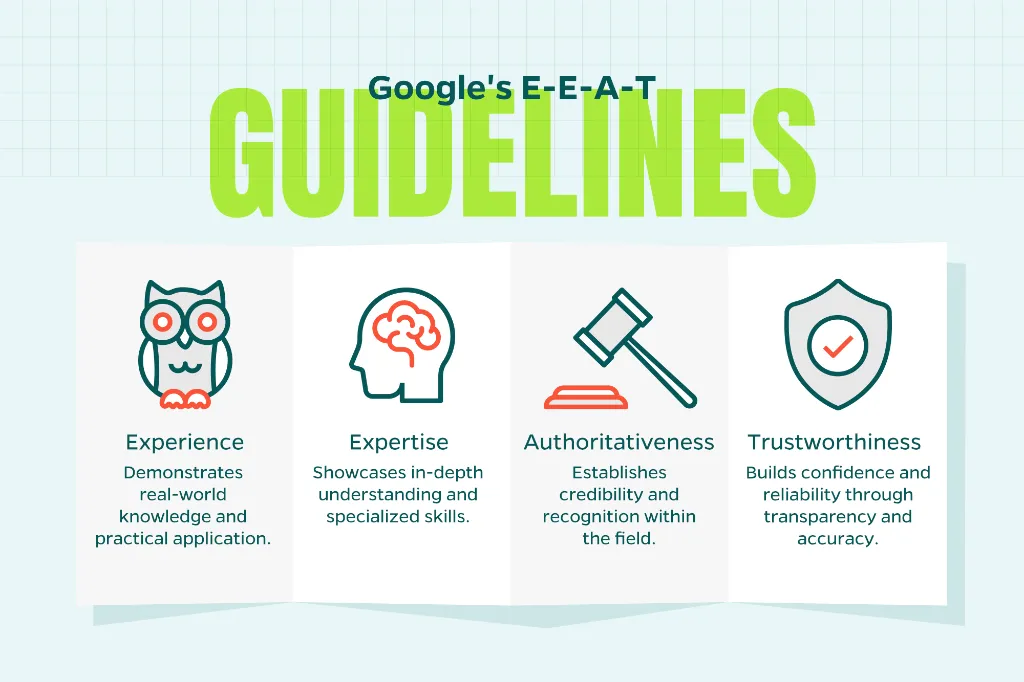
Where possible, have licensed clinicians review or contribute to your content. Attribution matters: bylines from physicians or nurse practitioners, links to reputable sources, and consistent editorial standards all signal to search engines that your site can be trusted. This is one area where independent practices have a genuine advantage over generic health information sites. Your team has real clinical expertise and direct patient experience. That authenticity should come through in your content.
Think About Internal Linking as a Strategy
Content depth alone is not enough. Search engines need to understand how your pages relate to one another. Internal linking, which means linking to related pages on your own site, is how you communicate that structure. When your page about diabetes management links to your content on nutrition counseling, regulating blood sugar, and endocrinology services, you are reinforcing for search engines that your site covers this topic from multiple relevant angles.
Review your internal links regularly. Many healthcare sites have strong individual pages that are essentially invisible to search engines because nothing on the site points to them. A logical, well-maintained internal linking structure helps your whole content library work together rather than as a collection of disconnected assets.
Consistency Compounds Over Time
Topical authority is not built in a single campaign or a short burst of publishing activity. It accumulates steadily when an organization commits to adding quality content on a regular basis. That cadence does not have to be aggressive. Publishing one or two well-developed pieces per month around your core specialty areas will move the needle over time.
The organizations that tend to do this best treat content as an ongoing investment rather than a one-time project. They revisit older pages to update outdated information, look for gaps in their coverage, and pay attention to the questions their patients are asking. Over time, that body of work becomes a durable competitive asset.
Where to Go from Here
Building topical authority in healthcare requires a clear focus, a commitment to clinical accuracy, and a content strategy that goes deeper than the surface level. Whether you are a large regional health system or a small specialty clinic, the same core principles apply. Know what you want to rank for, cover those topics thoroughly, and build your content with the patient’s perspective in mind.
Need Help?
If you are ready to strengthen your healthcare organization’s online presence and attract more of the right patients, Straight North can help. Contact us today to learn more about our content and SEO services.