




Patients have more choices today than ever, and most begin their search for care online. Whether they’re looking for a specialist, comparing clinics, or researching symptoms, potential patients often make decisions before they ever contact a provider.
For healthcare organizations, this means one thing: effective digital marketing starts with understanding exactly who you’re trying to reach. If your marketing messages attempt to appeal to everyone, they usually end up resonating with no one in particular. By clearly identifying the types of patients you want to attract, you can create more focused marketing strategies, stronger messaging, and better results across channels.
Below is a practical framework for healthcare organizations to identify and define their ideal patient audience.
Why Defining Your Ideal Patient Audience Matters
Many healthcare providers assume their services apply to “anyone who needs care.” While technically true, that mindset makes marketing far less effective.
Defining an ideal patient audience allows you to focus marketing efforts on patients most likely to convert, create messaging that addresses real concerns and motivations, and improve targeting in paid advertising and social media campaigns. You’ll also build more relevant website content and patient resources while increasing patient acquisition efficiency overall.
In short, when you know who your ideal patients are, your marketing becomes far more strategic and measurable.
Step 1: Analyze Your Current Patient Base
A great starting point is your existing patient population. Within your current patient base, you’ll likely find patterns that reveal which types of patients are the best fit for your services.
Start by examining age groups, gender distribution, geographic location, insurance types, referral sources, and the most common procedures or services. Beyond basic demographics, it’s also helpful to consider patient behavior and value. Which patients tend to return for ongoing care? Which ones follow through with treatment plans? Which ones leave positive reviews or refer friends and family?
These insights help you identify patient segments that already align well with your organization.
Step 2: Identify Your Most Valuable Services
Not all services are equal when it comes to growth and profitability. Some services may generate higher revenue, require specialized expertise, or align with your long-term strategic goals. Your ideal patient audience should often reflect the services you want to grow.
For example, a dermatology clinic may want to focus on cosmetic procedure patients, while an orthopedic practice might prioritize sports injury patients. A dental office may emphasize cosmetic dentistry or implants, and a behavioral health clinic may focus on specific treatment specialties.
When you align patient targeting with high-priority services, your marketing becomes more purposeful.
Step 3: Understand Patient Needs, Concerns, and Motivations
Effective healthcare marketing speaks directly to patient concerns. To define your ideal patient audience, you must understand what motivates them to seek care. Common patient motivations include relief from pain or symptoms, preventive health and wellness, cosmetic or appearance-related goals, managing chronic conditions, and improving quality of life. But the real work goes deeper than identifying these broad categories.
Consider the questions your patients frequently ask. What fears or hesitations do they have before scheduling an appointment? What information do they typically research online? You can gather these insights from front desk and intake staff, patient surveys, online reviews, search query data, and social media engagement.
When you understand patient motivations, you can tailor marketing messages that feel relevant and helpful rather than promotional.
Step 4: Segment Your Audience into Patient Personas
Once you’ve gathered enough information, the next step is to organize it into patient personas.
A patient persona is a semi-fictional representation of a typical patient within your target audience. Personas help your marketing team visualize who they’re speaking to when creating content, advertisements, and website pages.
For example, a healthcare practice might develop personas such as:
Busy Professional Parent
Age: 35–50. Needs convenient appointment scheduling and values providers who respect their time. Often researches providers online before booking.
Active Retiree
Age: 60+. Focused on maintaining mobility and independence. More likely to seek specialty care for chronic issues and may rely on both online research and physician referrals.
Young, Health-Conscious Adult
Age: 20–35. Interested in preventive care and wellness. Engages with healthcare content on social media and prefers digital scheduling and communication.
Creating three to five clear personas is usually enough to guide your marketing strategy without overcomplicating things.
Step 5: Study How Your Ideal Patients Search for Care
Understanding patient search behavior is critical for digital marketing success. Different audiences use different channels when looking for healthcare services. Some rely heavily on search engines, while others discover providers through referrals, social media, or online reviews. Ask yourself what keywords your ideal patient might search on Google:
- Are they researching symptoms or specific treatments?
- Do they compare providers online before scheduling?
- Which platforms do they trust for healthcare information?
For example, younger patients may find providers through social media and online reviews, while older patients may begin with referrals but still validate their choice online. These insights inform strategies for SEO, pay per click or paid advertising, and content marketing.
Step 6: Evaluate Geographic and Accessibility Factors
Location plays a significant role in healthcare decisions. Even with telehealth options expanding, many patients still prefer providers who are close to home or work.
Consider your primary service area, the average travel distance patients are willing to drive, access to public transportation, and population density in surrounding communities. Understanding geographic trends helps you refine local SEO strategies and ensure your marketing reaches the right communities.
Step 7: Use Data to Refine Your Audience Over Time
Defining your ideal patient audience is not a one-time exercise. As your organization grows and your services evolve, your audience may change as well.
Digital marketing analytics can help you continuously refine your targeting. Pay attention to metrics such as:
- Website traffic sources
- Conversion rates from different campaigns
- Appointment requests by service line
- Engagement with educational content
- Performance of targeted advertising campaigns
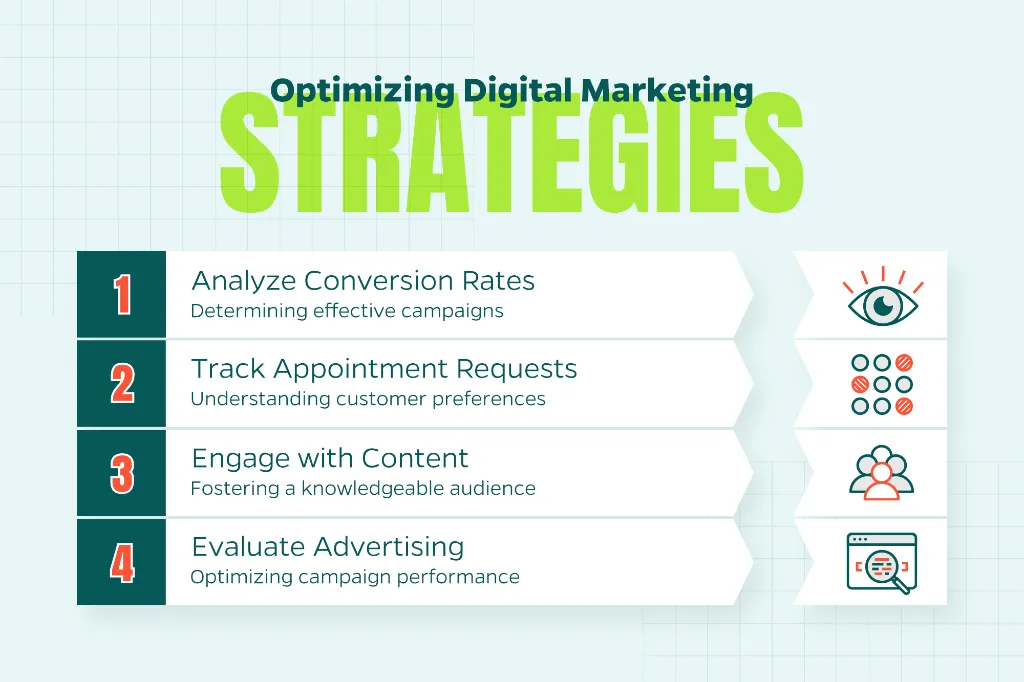
Over time, these insights reveal which audiences respond best to your marketing efforts and where new opportunities exist.
Common Mistakes to Avoid
When defining an ideal patient audience, healthcare organizations often fall into a few common traps.
The first mistake is trying to target everyone. Broad targeting leads to generic messaging that fails to stand out. Another mistake is focusing only on demographics — age and gender are useful, but motivations, behaviors, and concerns often matter more.
Many organizations also ignore patient feedback, even though patient reviews and surveys offer valuable insight into what people truly care about. Finally, some fail to align marketing with business goals. Your audience strategy should support the services and growth areas that matter most to your organization.
Avoiding these mistakes helps ensure your marketing efforts stay focused and effective.
Turning Patient Insights into Stronger Marketing
Once you clearly understand your ideal patient audience, the rest of your marketing strategy becomes much easier to execute.
You can create website content that answers the exact questions your patients are asking. You can design advertising campaigns that speak to specific needs and concerns. You can improve your online visibility where potential patients are already searching.
Most importantly, your marketing begins to feel more helpful, relevant, and trustworthy to the people you want to reach.
Need Help Defining Your Ideal Patient Audience?
Identifying the right audience is one of the most important steps in building an effective healthcare marketing strategy. At Straight North, we help healthcare organizations use data-driven insights to understand their patients, improve targeting, and generate more qualified leads through digital marketing.
If you’d like help identifying and reaching your ideal patient audience, contact Straight North today. We’d be happy to discuss how the right strategy can help your organization attract more of the patients you want to serve.