
On-page SEO is not flashy, but it’s the difference between content that ranks and content that disappears into page three of Google. Technical SEO keeps your site humming behind the scenes, and off-page SEO builds your reputation across the web. But on-page SEO is where your content and structure directly shape how both search engines and real people experience your brand.
This guide breaks down what on-page SEO is, why it still matters, and the essential elements you need to master if you want to stay competitive heading into 2026 and beyond.
What Is On-Page SEO?
On-page SEO covers every optimization you make directly on your website to help search engines understand your content and give users an experience that makes them want to stick around. We’re talking about:
- Keyword strategy
- Heading structure
- Content quality and depth
- Metadata
- Internal linking
- Media optimization
- User engagement signals
- UX and accessibility considerations
Think of on-page SEO as the translator between search engines and your audience. When you explain yourself well, your content ranks higher, shows up in the right searches, and drives business results by guiding visitors toward action.
Why On-Page SEO Still Matters
With AI-driven search, voice queries, zero-click results, and increasingly sophisticated algorithms, some marketers wonder if on-page SEO is becoming obsolete. The reality is it matters more than it ever has.
Here’s why:
- Search engines still lean heavily on page-level signals.
Google and its competitors use on-page indicators to figure out what your content covers and how trustworthy it is.
- Quality content dominates like never before.
Thin, half-baked content gets buried. Rich, genuinely helpful content built for humans and optimized for search is what wins now.
- AI systems mine your content for answers.
Features like Google’s AI Overviews pull from well-structured, high-quality pages with clear headings and solid explanations. If your content is a mess, AI won’t use it.
- Better on-page SEO means better conversions.
Improved readability and engagement don’t just boost rankings—they boost your bottom line.
Key Elements of On-Page SEO (and How to Get Them Right)
Let’s break down the essential on-page elements you should optimize, with clear, practical guidance for each.
1. Start With Search Intent
Search intent—understanding what users want when they search—is the cornerstone of modern on-page SEO. Get this wrong and everything else falls apart.
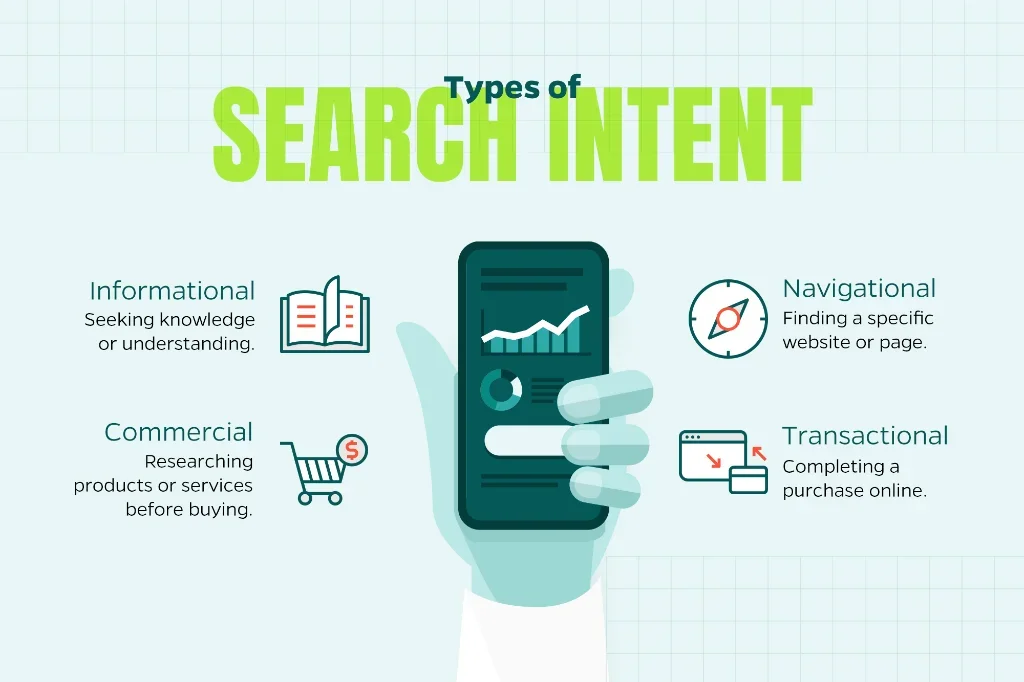
There are four main types:
- Informational (“What is PPC advertising?”)
- Navigational (“HubSpot login”)
- Commercial (“best CRM tools for SMBs”)
- Transactional (“buy running shoes online”)
Before you create or optimize any page, ask yourself:
- What is the reader trying to accomplish?
- What’s their next logical step?
- Does my page satisfy this need better than my competitors?
If your content misses the intent, rankings and engagement will tank—no matter how perfect your keywords or metadata look.
2. Target the Right Keywords (But Don’t Overdo It)
Keywords still matter, but not the way they did in 2010. Search is semantic now. That means it’s context-driven, conversational, and smart enough to recognize when you’re forcing it.
Modern keyword optimization looks like this:
- Focus on topics and intent, not just individual keywords
- Use your primary keyword in the page title, H1, intro, and URL where it fits naturally
- Weave in secondary and related keywords throughout the content
- Never force keywords where they sound awkward
- Don’t try to rank one page for completely unrelated topics
Your goal is clarity. You should help search engines understand your content while keeping the writing smooth and human.
3. Write Clear, Helpful, In-Depth Content
Google’s algorithms increasingly reward depth, clarity, and usefulness. That means your content needs to:
- Fully answer the user’s questions
- Offer unique insights they can’t find everywhere else
- Provide actionable takeaways
- Include examples, data, or expert perspectives
- Be organized in a way that’s easy to scan and digest
Here’s the rule: write the best page on the internet for your topic. Not the longest—the most useful.
What strong on-page content includes:
- Intros that set clear expectations
- Logical sections with descriptive headings
- Definitions and explanations that don’t assume too much knowledge
- Step-by-step guidance where it’s helpful
- Short paragraphs and varied sentence structures
- Bullet points and formatting that make scanning effortless
At Straight North, we aim for content that feels authoritative without being intimidating. We seek to offer guidance that empowers readers instead of overwhelming them.
4. Optimize Title Tags and Meta Descriptions
Metadata won’t directly boost your rankings, but it absolutely impacts click-through rate. This can influence performance over time. Think of these as your storefront window in search results.
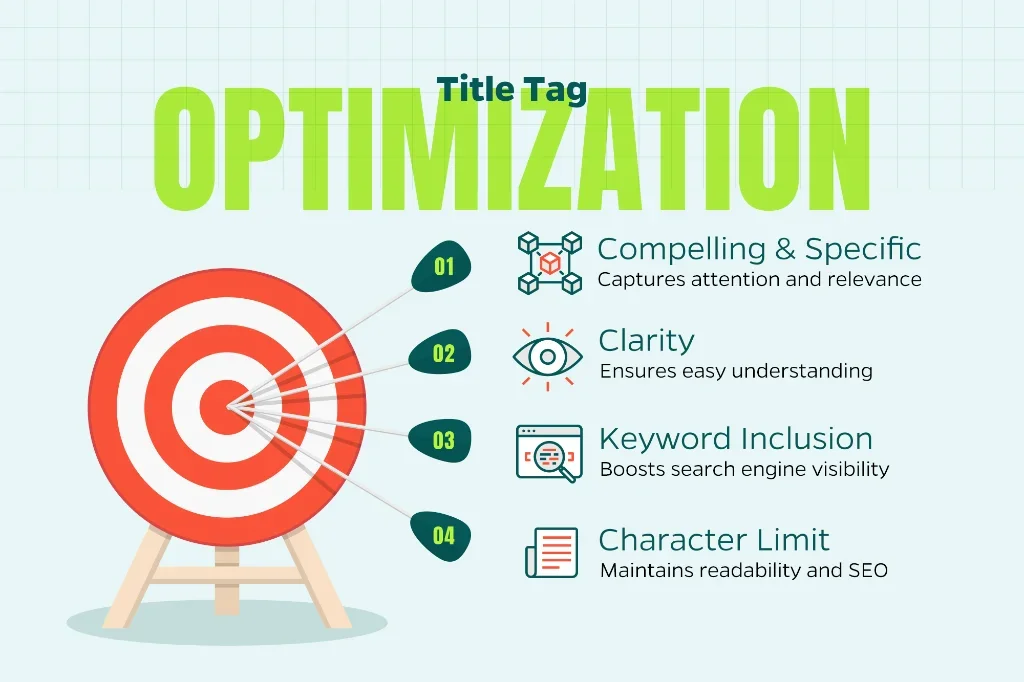
Title Tag Best Practices:
- Keep it around 50–60 characters
- Include your primary keyword
- Prioritize clarity over cleverness
- Make it specific and compelling
- Cut unnecessary filler words
Meta Description Best Practices:
- Aim for 150–160 characters
- Clearly summarize the page’s value
- Include a keyword if it fits naturally
- Write for humans first, search engines second
These two elements are often your first impression. Make them count.
5. Use Headings to Create a Clear Content Hierarchy
Heading tags (H1, H2, H3, etc.) structure your content, making it easier for readers to navigate and easier for search engines to interpret what matters most.
Key guidelines:
- Use only one H1 per page
- Organize main sections with clear, descriptive H2s
- Use H3s and H4s for sub-points
- Skip generic headings like “Introduction” or “Conclusion”
- Make headings work like a roadmap for your reader
Think of headings as signposts. They tell users where they are and what’s ahead.
6. Strengthen Your Internal Linking Strategy
Internal links help search engines discover and connect your content. They also strategically guide users deeper into your site for more resources, related topics, or conversion points.
Best practices:
- Link to relevant supporting content that adds value
- Use descriptive anchor text (avoid “click here”)
- Make sure every important page gets internal links pointing to it
- Don’t overwhelm readers with too many links in one spot
- Include links to conversion points where they make sense
A smart internal linking strategy builds topical authority and creates natural user pathways through your site.
7. Optimize Images and Media
Images and multimedia make content more engaging, but only if they’re optimized. Bloated files and missing context hurt both user experience and SEO.
Key optimizations:
- Compress images to speed up load times
- Add descriptive alt text for accessibility and search context
- Use relevant file names (e.g., “on-page-seo-checklist.png” instead of “IMG_1234.jpg”)
- Ensure images scale properly on mobile
- Use video strategically to add depth, not just decoration
Well-optimized media improves experience and visibility at the same time.
8. Improve Readability and User Experience
Search engines pay attention to engagement signals: how long users stay, how much they scroll, whether they bounce back to the search results immediately. If your page is hard to read, people leave and search engines notice.
To boost UX and engagement:
- Use short paragraphs and straightforward language
- Add visual breaks with bullet points, subheadings, and images
- Avoid jargon unless your audience expects it
- Design with mobile users front and center
- Make CTAs clear, helpful, and easy to spot
A page that’s easy to navigate is a page that performs.
9. Create SEO-Friendly URLs
URLs play a small but meaningful role in helping both users and search engines quickly understand what a page is about.
Guidelines for clean URLs:
- Keep them short and simple
- Use hyphens, not underscores
- Include a keyword if it fits naturally
- Avoid random parameters or ID numbers
- Maintain consistent URL structure across your site
Example:
/on-page-seo-guide is much cleaner than /blog/2025/11/seo1234?id=89
10. Leverage Schema Markup Where Appropriate
Schema markup gives search engines extra context about your content and can qualify your pages for enhanced search features like FAQs, product snippets, breadcrumbs, and more.
Not every page needs schema, but it’s valuable for:
- FAQs
- How-to guides
- Reviews
- Products
- Events
- Articles with structured elements
Adding schema boosts clarity and can improve click-through rates in search results.
11. Ensure Your Page Loads Quickly
Page speed overlaps with technical SEO, but it has direct on-page consequences. Fast-loading pages lead to better user satisfaction, lower bounce rates, higher conversions, and improved search visibility.
You can support site speed by compressing images, minimizing heavy scripts, and keeping your design lean and efficient.
12. Add Clear Calls to Action
Every optimized page should guide users toward a logical next step—whether that’s reading related content, downloading a resource, or reaching out to your team.
Effective CTAs are:
- Contextual and relevant
- Clear and actionable
- Strategically placed without feeling pushy
A great CTA enhances the user journey instead of interrupting it.
Putting It All Together: What an Optimized Page Looks Like
Let’s visualize a fully optimized page. When everything clicks, you’ll see:
- A descriptive, keyword-focused title tag
- A compelling meta description
- A clear H1 that introduces the page’s purpose
- Scannable H2s and H3s
- Content centered on search intent
- Keywords used naturally
- Rich, genuinely helpful insights
- Optimized images and media
- Relevant internal links
- A clean URL
- Schema markup where helpful
- CTAs that feel natural
When these elements work together, your page ranks better and becomes more valuable to your audience.
Common On-Page SEO Mistakes to Avoid
Even experienced marketers stumble into these traps:
Mistake #1: Over-optimizing for keywords
Keyword stuffing sounds unnatural and can hurt performance. Write for humans first.
Mistake #2: Creating content without clear intent
If you don’t know the purpose of your page, neither will your audience—or search engines.
Mistake #3: Neglecting mobile usability
Most traffic comes from mobile devices. If your content isn’t mobile-friendly, you’re losing visitors.
Mistake #4: Forgetting to update old content
Freshness matters. Regular optimization keeps your content competitive.
Mistake #5: Using generic headings
Headings should guide readers, not confuse them. Be specific.
Avoiding these pitfalls keeps your on-page efforts aligned with what works in modern SEO.
The Future of On-Page SEO
As AI-generated search results, conversational search, and personalization evolve, on-page SEO will stay essential. But it will have new layers of complexity.
What we expect to see more of:
- Greater emphasis on topical authority
- Increased value on structured, scannable content
- Continued demand for trustworthy, expert insights
- Better integration of multimedia
- Content built for both human readers and AI systems
The common thread? Quality, clarity, and usefulness win.
Final Thoughts: On-Page SEO That Delivers Results
On-page SEO is the foundation of a strong organic search presence. It takes strategy and consistent effort, but the payoff is real: better rankings, better engagement, and better conversions.
If you’re ready to level up your on-page strategy, the principles in this guide will help you build pages that search engines trust and audiences value. Want more help? Reach out to Straight North. We can help you take your on-page SEO to the next level.