


At Straight North, we’ve seen firsthand how content marketing transforms not only search engine performance but also the way brands connect with their audiences. When done right, content marketing creates a true win-win: your audience gets genuine value, and your website earns stronger visibility in search results.
Let’s explore how that works.
What Is Content Marketing?
Content marketing is more than publishing blog posts on a schedule. It’s a strategic approach to creating and distributing valuable, relevant, and consistent content that attracts and retains a clearly defined audience.
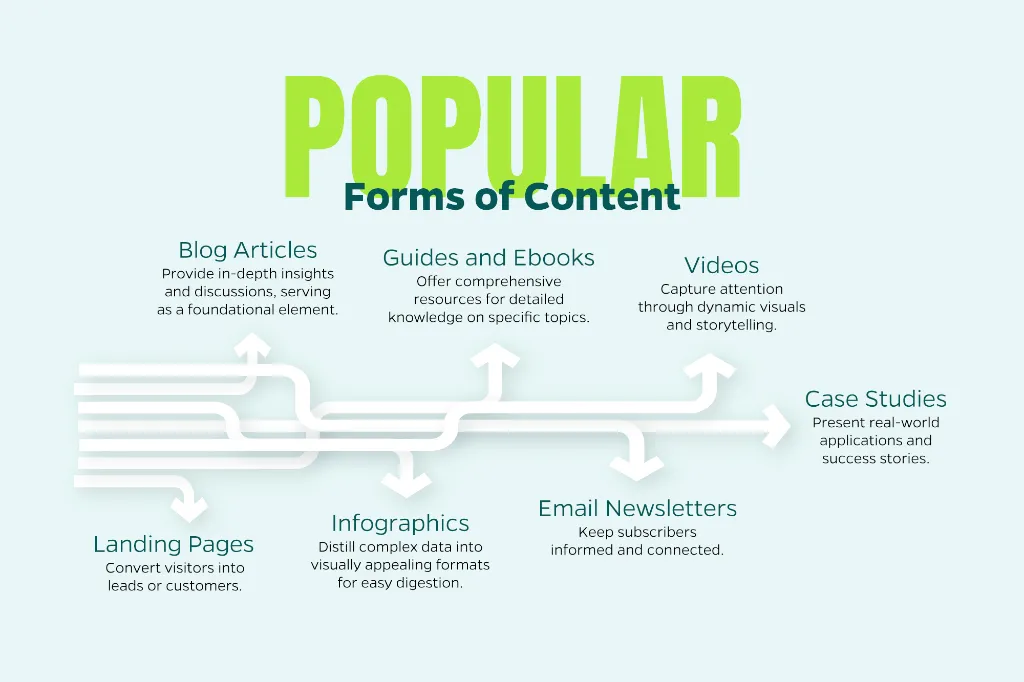
That content can take many forms:
- Blog articles
- Guides and ebooks
- Videos
- Case studies
- Infographics
- Email newsletters
- Landing pages
The key word here is valuable. Effective content marketing focuses on answering questions, solving problems, and helping prospects make informed decisions. It’s not about pushing a hard sell at every turn. Instead, it builds trust over time.
That trust benefits both audience growth and SEO.
How Content Marketing Helps Your Audience
Before we dive into the SEO benefits, let’s focus on what matters most: your audience. Content marketing that prioritizes your prospects’ needs creates lasting value that goes far beyond rankings. Here are four ways quality content directly serves the people you’re trying to reach.
1. It Answers Real Questions
Today’s buyers are researchers. Before contacting a company, they search for information, compare options, and look for reassurance that they’re making the right choice.
When your content directly addresses their questions, you position your brand as a helpful authority. Prospective customers are looking to answer questions like:
- What should I look for in a service provider?
- How much does this service typically cost?
- What problems can this solution solve?
- Which mistakes should I avoid?
By providing honest, clear answers, you reduce uncertainty. You also shorten the gap between initial awareness and serious consideration.
2. It Builds Trust Before the First Conversation
Trust doesn’t start when a prospect fills out a contact form. It starts much earlier. That includes when someone reads multiple helpful blog posts, downloads a guide, or watches your videos. They begin to feel familiar with your brand, seeing that you understand their challenges and speak their language. That familiarity lowers barriers. Instead of feeling like they’re reaching out to a stranger, they feel like they’re contacting a knowledgeable partner who already “gets” their situation.
3. It Supports Every Stage of the Buyer Journey
Strong content marketing supports prospects wherever they are:
Awareness – Educational blog posts that explain problems and industry trends
Consideration – Comparison guides, case studies, and deeper resources
Decision – Testimonials, detailed service pages, and comprehensive FAQs
When your content ecosystem is built intentionally, prospects can move smoothly from one stage to the next. They find what they need without frustration, which improves user experience and increases the likelihood of conversion.
4. It Empowers Better Decisions
High-quality content is transparent. It doesn’t gloss over challenges or avoid discussing costs. Instead, it equips readers with the knowledge they need to make confident decisions.
Even if a prospect isn’t the right fit for your company, valuable content still leaves a positive impression. That can lead to referrals, future opportunities, or brand advocacy down the line.
How Content Marketing Helps Your SEO
While helping your audience is a meaningful goal on its own, content marketing also plays a critical role in search engine optimization.
Search engines aim to deliver the most relevant, helpful results for every query. Strong content makes it easier for them to recognize your website as a credible source.
Here’s how.
1. It Expands Your Keyword Reach
Every new piece of optimized content creates an opportunity to rank for additional keywords.
Instead of relying on a handful of service pages to capture traffic, a robust content strategy allows you to target:
- Informational search queries
- Long-tail keywords
- Industry-specific questions
- Local search terms
Over time, this expanded keyword footprint increases your visibility in search results and attracts more qualified traffic.
2. It Improves Topical Authority
Search engines evaluate not only individual pages but also your overall expertise in a subject area.
When your website consistently publishes in-depth, well-organized content around your core services, it signals authority. For example, if you provide digital marketing services and publish comprehensive resources about SEO, paid media, and web design, search engines begin to associate your brand with those topics.
That topical authority can lead to improved rankings across related keywords – and it makes it harder for competitors to outrank you.
3. It Generates Internal Linking Opportunities
Content marketing strengthens your site structure through strategic internal linking.
Blog posts can link to relevant service pages. Service pages can link to case studies. Guides can reference supporting blog articles.
This internal network helps search engines understand the relationships between your pages. It also guides users toward the next logical step in their journey. Consequently, they are increasing their time on your site while improving your engagement metrics. This signals quality to search engines.
4. It Attracts Backlinks
Exceptional content earns attention.
When you publish original insights, data-driven studies, or highly practical guides, other websites may link to your resources. These backlinks remain one of the strongest ranking factors in SEO.
While not every blog post will attract external links, a consistent strategy significantly increases your chances of earning them organically – without outreach or asking.
5. It Enhances User Experience Signals
Search engines pay close attention to user behavior. If visitors quickly leave your site, it may indicate that the content didn’t meet their expectations.
On the other hand, high-quality, engaging content encourages users to:
- Stay longer on your pages
- Explore additional content
- Return in the future
- Interact with your calls-to-action
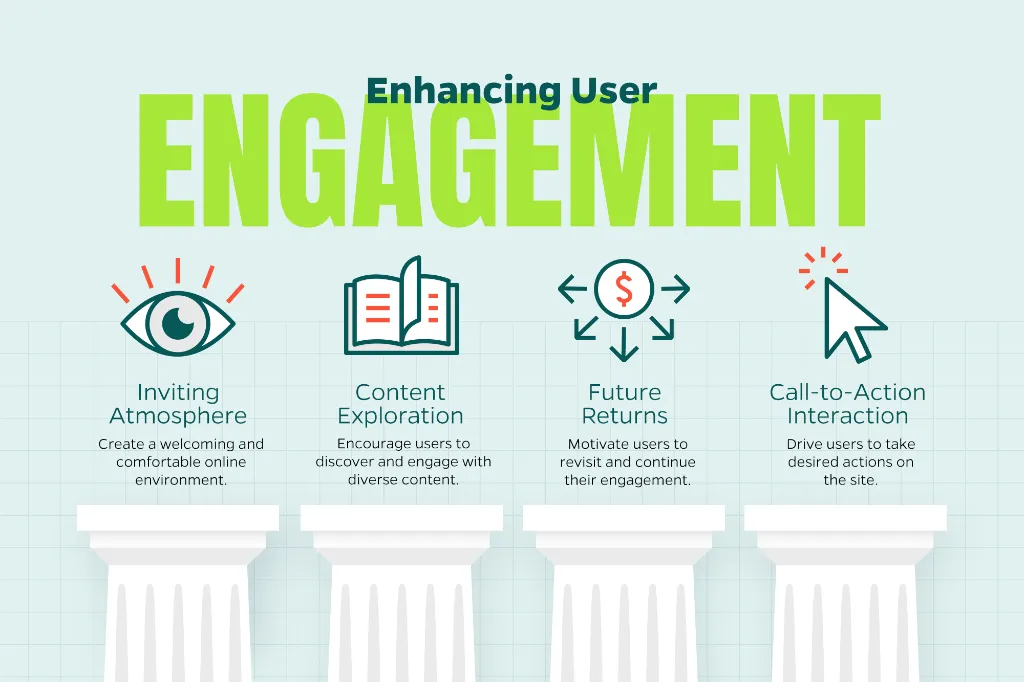
These positive engagement signals reinforce your site’s credibility and can support stronger rankings over time.
The Long-Term Impact of Consistency
One of the most important things to understand about content marketing is that it’s not an overnight solution.
Unlike paid advertising, which can drive immediate traffic, content marketing builds momentum gradually. A single blog post may attract modest traffic at first. But as you publish more high-quality content and optimize it effectively, the cumulative impact becomes significant.
Think of it as building a library. Each new piece strengthens the overall collection. Over months and years, that library becomes a powerful asset that continues to generate traffic, leads, and brand awareness – long after each piece is published.
Consistency also reinforces brand voice and messaging. When your audience knows what to expect from your content, they’re more likely to engage regularly and share it with others.
Aligning Content Marketing with Business Goals
Content marketing works best when it’s aligned with clear business objectives.
Before publishing, ask:
- Who are we trying to reach?
- What challenges are they facing?
- What services or solutions do we want to highlight?
- How will we measure success?
Metrics might include organic traffic growth, keyword rankings, lead volume, conversion rates, or engagement levels.
Without defined goals, content efforts can become scattered. With a strategic roadmap, every piece of content serves a purpose and contributes to measurable outcomes.
Why Strategy and Execution Matter
It’s tempting to treat content marketing as a simple checklist item: publish a few blog posts and wait for results. But the reality is more nuanced.
Effective content marketing requires:
- In-depth keyword research
- Competitor analysis
- Clear audience personas
- Strong on-page optimization
- Professional writing and editing
- Ongoing performance tracking and refinement
When all these elements work together, content becomes a powerful growth engine. When they’re neglected, results often fall short – and you’ve invested time and resources with little to show for it.
Conclusion
Content marketing sits at the intersection of audience engagement and SEO performance. It helps your prospects feel informed and confident, while simultaneously signaling to search engines that your website deserves visibility.
When you consistently publish relevant, helpful content that addresses real questions, you create a foundation of trust. When that content is optimized strategically, you expand your reach and strengthen your search presence.
If you’re ready to elevate your content strategy or want to ensure your efforts are fully aligned with your SEO goals, the team at Straight North is here to help. Contact us today to discuss how a tailored content marketing strategy can support your audience, strengthen your search visibility, and drive measurable business growth.