

Have you ever sat down to create an SEO report to see how your website is performing, only to realize you’ve got hours of work ahead of you? You start pulling data from half a dozen sources, but the numbers don’t line up, there’s no clear action plan, and your presentation still needs to make sense to everyone else. What should be a quick status check suddenly turns into a marathon of spreadsheets, dashboards, and second-guessing.
For many marketers, analytics reports can feel like deciphering a foreign language packed with charts and metrics that don’t always translate into clear, actionable insights. To help demystify the process, I spoke with SEO Analytics Expert Marc Holt, who shared how ChatGPT and similar AI tools can turn raw data into practical, easy-to-understand SEO insights that drive smarter marketing decisions.
Making Analytics Understandable for Non-Experts
You don’t need to be a statistician to make sense of your data. With AI tools like ChatGPT, even the most complex analytics can be broken down into straightforward, meaningful insights.
For example, you can export a report from Google Analytics, preferably a PDF, and upload it to ChatGPT. It reads the report and provides you with key takeaways in a clear, understandable format.
“If you give it a clear role, like, ‘act as a digital marketing expert’, it spots patterns, surfaces what matters, and suggests next steps. It turns raw numbers into simple, practical tips you can actually use.”
Putting the Numbers in Action
It goes beyond just a report. ChatGPT can also send you a short, focused list of next steps. Here’s an example of what you may receive as part of the report:
- Pages with high views but low engagement or conversions
- Weak calls to action or outdated content
- Opportunities for new related topics
From this list, you’ll know where you can make changes to text or update landing pages. It’s a great way to clearly understand how to improve your marketing efforts. The first step in the process is to be sure to get it ready and safe.
How to Protect Your Data Privacy When Using AI
You have a lot of great data that you don’t want readily available to anyone. So, what happens to that data when you upload it into ChatGPT? As an LLM, is it sharing this information outside of your organization or even with team members who shouldn’t have access to it? Hear from Marc on other steps to protect the safety of your information.

Your Google Analytics data itself, traffic, conversions, campaigns, product stats, should be treated as private. Before uploading, you should turn off ChatGPT’s ‘Improve the Model’ setting, so your reports aren’t used for training. Export the PDF and only share what’s needed. Sensitive campaign names, revenue, or user behavior details deserve extra caution.
To accurately report analytics, you’ll want to build a secure, consistent process that you can trust. Follow the same clean export-and-analyze monthly routine to safely compare performance, spot trends, and ultimately, improve strategy over time.
Context Is Everything When Setting Up AI Prompts
Remember: An LLM’s output is only as good as the input you give it. So be explicit in what you are asking it to do. Tell it to act like a marketing expert, then specify what you are trying to achieve (goals), and be sure to include a website URL when available. You’ll get a better report with insights that are relevant and strategic versus a basic summary.
When you are looking for a comprehensive report, you need to ask ChatGPT to analyze versus just asking it to “list”. The results you get will turn raw data into strategic actions.

So, list data just repeats numbers you already know. Analyze and Recommend turns those numbers into insights and next steps. Asking for analysis gives you actions, like improving pages, adding topics, or refining CTAs instead of raw stats. That’s where the real value comes from.
Focusing on the Metrics That Really Matter in Your Marketing Reports
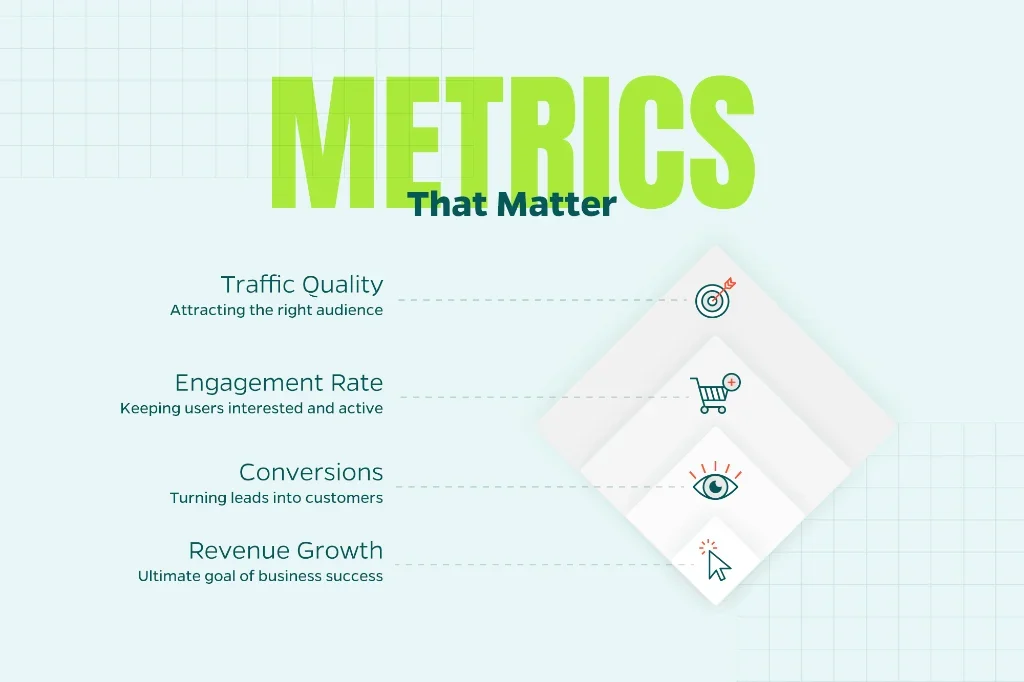
Marketing reports can be a goldmine of insights, but only if you know what to look for. Not every data point tells the full story, and it’s easy to get lost in the numbers. The key is to focus on the metrics that directly impact your business goals, such as:
- Traffic quality: Are you attracting the right audience?
- Engagement: Are visitors actually interacting with your content?
- Conversions: Are your efforts turning interest into action?
- Revenue: Are those actions driving real business growth?
When you focus on reports that tell the story behind your results like Pages and Screens or Landing Page Reports, you’ll start to see what’s truly driving performance and conversions. It’s not about tracking everything; it’s about tracking what matters most.
Transforming Data Summaries Into Smarter Decisions
Have you ever looked at a data sheet and thought, ‘Wow! It looks like things are going well, but are they better than the last month?’. You’re not alone. While numbers tell you part of what’s happening, a highlights report can help you understand what steps you need to take next in your campaign to ensure that you get the most for your money.
You can upload the PDF with all the data and prompt ChatGPT to highlight main trends or top pages. Then you’ll have clear takeaways to make confident, informed decisions around which landing pages to fix or where your content should go next.
Using This Data to Fuel Content Creation
If you want to know what your audience values, look at your best-performing content. Export top-performing pages and ask ChatGPT for related topics, gaps to fill, and updates in this area. Then, you can plan your content calendar with subject matter that you know will attract further engagement and growth.
“Data takes out the guesswork. You build on what already attracts clicks and engagement, so your new content is more likely to perform.”
ChatGPT takes out the guesswork for you with its quick analysis of your data. It helps you become the SEO star and craft data-driven, high-impact strategies faster.
Tracking Progress Over Time
Stale, repetitious content is noticeable to readers and search engines alike. To gain authority in a subject area, you’ll want to build a more agile content strategy. Aim to do monthly analytics reviews. Simply upload your Google Analytics reports and let ChatGPT compare reports.
- Which pages gained or lost traffic?
- Where has engagement changed?
- What products or topics are trending?
Catch these issues early, so you can pivot and make updates to content and calls to action. Adjust your landing pages and keep things fresh based on the analysis you did earlier.
The Value of Trend Analysis
Collecting all this data and running reports is vital as it can help inform why performance shifts. Is it a changing environment? Seasonal interest? Are there new content opportunities that you are missing?
Review the trends and turn random fluctuations into clear action plans that guide your content and campaign priorities.
The Biggest Challenge AI Helps Solve
You have been reporting on the trends and data regularly, but now it’s time to take action. Many teams struggle with this step. Use ChatGPT to help bridge this gap. It will summarize the data, surface what matters most, and recommend specific next steps.
It won’t just unload a bunch of numbers on you. It will provide you with a concise action plan, so you know how to align your marketing team and accelerate results.
Turning Insights Into Better Collaboration
When you build trust, it’s easier to build collaboration, too. Make sure that your internal teams and your clients understand the data clearly with clear communication. Lean on the AI-generated summaries and recommendations to guide your discussions.
Then, you can celebrate wins (and why they were successful), look at challenges (what obstacles you faced), and look at next moves (how can you improve). All these things set you and your clients up for success.

Clear insights make alignment easy. With ChatGPT summaries and recommendations, you can explain what worked, what didn’t, and what’s next, backed by real data. That builds trust, speeds approvals, and keeps everyone focused on what drives results.
Key Takeaways
AI tools like ChatGPT aren’t just simplifying analytics, they’re helping marketers turn data into direction.
By combining privacy-conscious workflows, clear context, and regular analysis, even non-data experts can make confident, data-driven decisions that move SEO and content strategies forward.