


In today’s digital landscape, your website isn’t just a virtual storefront—it’s your most valuable sales asset. It should work around the clock to transform visitors into loyal customers. Of course, not all websites deliver results. Some sites captivate with stunning visuals yet struggle to generate leads, while others seamlessly guide users to conversion.
At Straight North, we’ve partnered with businesses across industries to transform their websites into revenue-generating machines. In this post, we’ll explore the core principles of conversion-focused web design—without overwhelming you with technical complexity. Consider this your practical roadmap to help you avoid web design and UX mistakes while creating a website that works as hard as you do.
1. Start with Your Audience in Mind
Who are you designing for? While it’s tempting to dive straight into aesthetics and layouts, exceptional design begins with a deep understanding of your users. Start by picturing your ideal customer. What challenges are they facing? What information do they need to make a confident decision? A high-converting website anticipates these questions and delivers answers effortlessly.
Take an e-commerce retailer selling outdoor gear, for example. Your site should enable hikers to discover trail-tested boots within seconds—no frustrating menu navigation required.
Develop user personas (detailed profiles of your target audience) to inform every design decision. This approach ensures that each element—from compelling headlines to authentic imagery—resonates personally with visitors, creating that crucial “this is exactly what I need” moment that drives conversions.
2. Prioritize User-Friendly Navigation
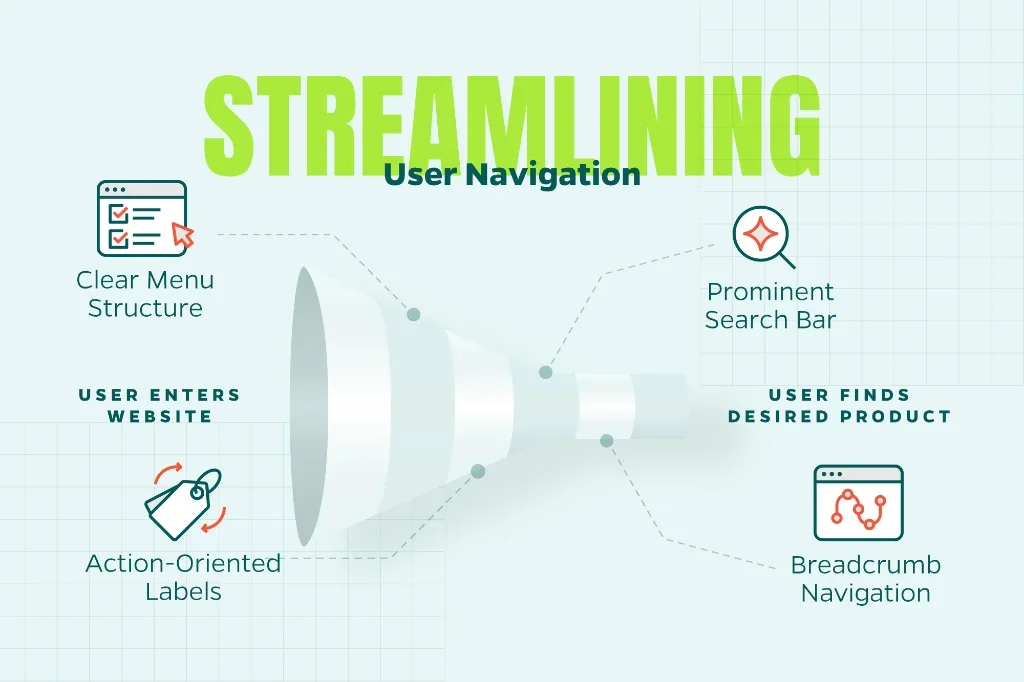
Have you ever landed on a website, clicked through three different menus, and still couldn’t find the pricing page? That frustration sends potential customers straight to your competitors. Intuitive navigation eliminates that friction, creating a clear path from arrival to conversion.
Keep your menu structure clean and logical. Limit primary navigation to 5-7 items and use action-oriented, descriptive labels like “Shop Now” rather than ambiguous terms like “Products.” Include a prominent search bar for users who know exactly what they want. It’s also a good idea to implement breadcrumb navigation (Home > Category > Product) to help visitors orient themselves without frustration.
Conduct real-user testing on your navigation. Heatmap tools reveal exactly where users click and where they abandon their journey. This reveals critical pain points. Significant increases in conversions come simply by refining navigation structure. Small adjustments create remarkable results.
3. Craft Compelling Calls to Action
Your Calls to Action (CTAs) represent the pivotal moments where browsers become buyers. Without clear, persuasive CTAs, visitors may appreciate your content but never take the next step. Make these elements unmissable: employ bold colors that stand out from your background, use action-driven language like “Start Your Free Trial” or “Get Instant Access,” and position them strategically. That means above the fold on landing pages, at natural decision points in blog content, or in thoughtfully timed pop-ups (used sparingly to maintain a positive user experience).
Context is everything. A CTA on a product page might read “Add to Cart,” while a service page could feature “Schedule Your Free Consultation.” Test different variations to discover what resonates with your specific audience—perhaps “Start Now” outperforms “Get Started” for your demographic. The objective is to create a sense of natural momentum and appropriate urgency that guides users toward conversion.
4. Embrace Mobile Responsiveness
With mobile devices accounting for more than half of all web traffic, neglecting smartphone users means turning away many potential customers. Responsive design ensures your site delivers an optimal experience across every screen size, automatically adapting layouts, images, and typography.
Conduct this simple test: access your site from your smartphone. Can you easily tap buttons without accidental clicks? Does text remain readable without zooming? Google’s Mobile-Friendly Test can identify technical issues quickly. We’ve witnessed clients radically improve their mobile conversion rates simply by optimizing for touchscreen interaction. That means implementing larger tap targets, simplifying forms, and accelerating load times on cellular connections.
5. Speed It Up: Optimize for Performance
Today’s users won’t wait for sluggish websites. Research demonstrates that even a one-second delay in load time can reduce conversions by 7%. Performance optimization must be a priority from the outset.
Compress images while preserving visual quality, minify code (removing unnecessary characters and formatting), and leverage a content delivery network (CDN) to serve assets from servers geographically close to your users. Enable browser caching so returning visitors experience faster load times. If you’re uncertain where to begin, comprehensive performance audits can identify specific bottlenecks. A fast-loading site keeps users engaged and primed to convert.
6. Build Trust with Social Proof and Security
In the digital realm, trust is the foundation of conversion. Visitors require reassurance about your credibility before sharing personal information or payment details. Integrate authentic testimonials, detailed case studies, and genuine customer reviews whenever possible. Display trust indicators like SSL certificates, “Secure Checkout” badges, and relevant industry certifications prominently.
For e-commerce operations, HTTPS encryption is essential (indicated by the padlock icon in the browser address bar). If you collect user data, provide a transparent, accessible privacy policy. These trust signals significantly reduce bounce rates and build the confidence that transforms skeptical visitors into committed customers.
7. Leverage Visuals and Content That Sell
Effective design transcends aesthetics. It communicates value clearly and persuasively. High-quality images and videos demonstrate your products or services in real-world contexts, helping users envision the tangible benefits. Pair compelling visuals with benefit-focused copy that speaks to outcomes.
Use whitespace strategically to prevent visual overload and enhance readability. Break up lengthy text with descriptive headings, concise bullet points, and helpful infographics. This approach accommodates how users consume online content—scanning for relevant information and moving toward conversion points. Additionally, optimize all visuals for SEO with descriptive alt text, improving accessibility and search engine visibility.
8. Incorporate SEO Best Practices
Even the most beautifully designed website is ineffective if your target audience can’t find it. Integrate SEO considerations from the initial design phase: implement clean, descriptive URLs, ensure fast page load speeds, and optimize for mobile devices. Try to craft clean UX copy that helps boost your SEO. Structure content with proper heading hierarchy (H1s, H2s) for improved readability, and craft compelling meta descriptions that drive clicks from search engine results pages.
At Straight North, we seamlessly blend design excellence with SEO strategy to create websites that both convert visitors and rank competitively, attracting a steady stream of qualified traffic. This integrated approach delivers sustainable, long-term growth.
9. Test, Iterate, and Improve
The most successful websites never stop evolving. Your launch date marks the beginning, not the conclusion, of optimization. Utilize analytics platforms like Google Analytics to monitor key metrics including bounce rate, average time on page, and conversion funnel performance. Conduct A/B tests on critical elements such as CTA button colors, headline variations, or page layouts to identify what truly resonates with your audience.
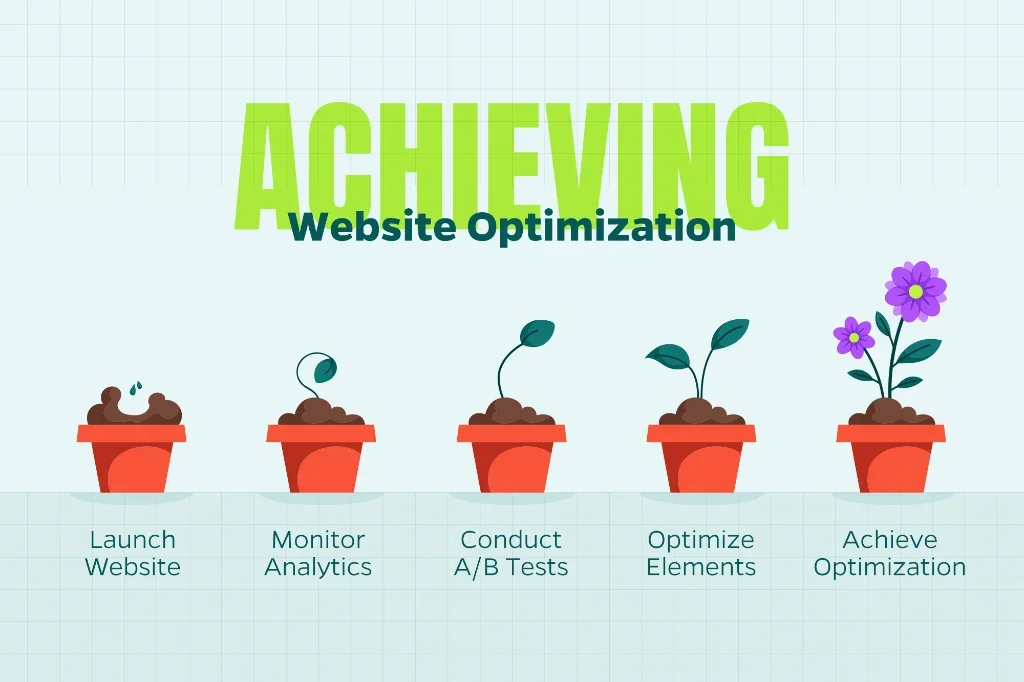
Gather qualitative feedback through user surveys and moderated testing sessions. Over time, these data-driven insights will refine your website into a sophisticated conversion engine. Remember, what works effectively today may require adjustment tomorrow as market trends and user expectations evolve.
Your Path to Conversion Success
If you’re ready to elevate your website’s performance, the Straight North team brings extensive expertise in digital marketing and conversion-focused web design. We’d welcome the opportunity to discuss your goals and explore how we can help you build a website that not only impresses visually but delivers measurable business results.