


When it comes to turning website visitors into loyal customers, your site’s design and user experience (UX) play a major role. Fortunately, these two elements work hand in hand to create measurable results. Below, we’ve compiled answers to the most common web design and UX questions to help you avoid mistakes and understand how thoughtful design can make a real difference to your bottom line.
What’s the Difference Between Web Design and UX?
While these terms are often used interchangeably, they describe two distinct—but equally important—aspects of your website.
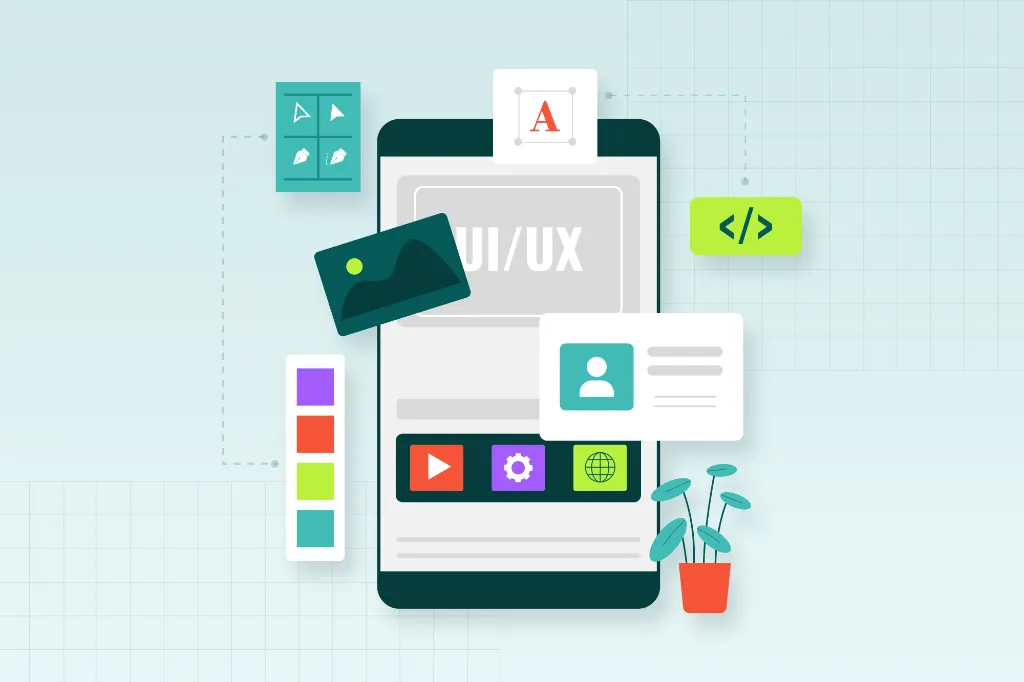
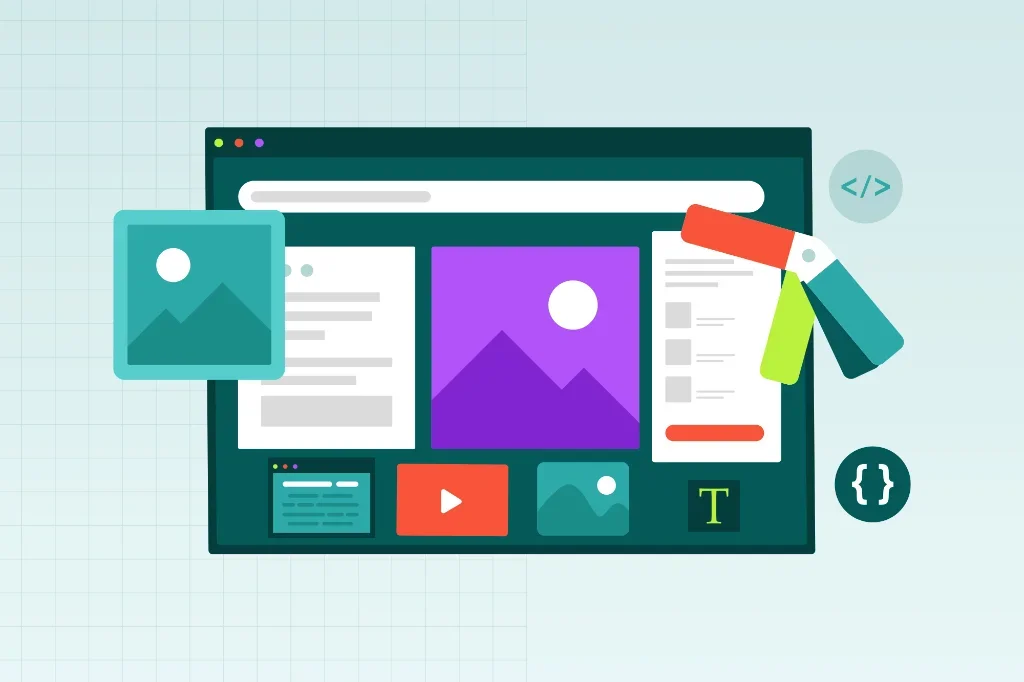
Web design focuses on how a website looks. The term describes your site’s layout, color scheme, typography, imagery, and visual elements. It’s about creating something visually appealing and on-brand. UX (user experience), on the other hand, focuses on how a website feels to use. This encompasses everything from the ease of navigation and page load speeds to the clarity of your calls-to-action and overall visitor satisfaction.
In other words, design is the aesthetic experience, while UX is the functional one. The two work best when they’re working together. Great web design creates visual appeal that draws visitors in, while thoughtful UX ensures users can intuitively find information and take action without frustration. A stunning website that’s hard to navigate won’t serve your business goals, just as a highly functional site with outdated visuals might fail to establish trust.
Why Is UX So Important for Conversions?
A visually impressive website won’t generate results if users get frustrated trying to use it. Your site’s user experience is often the difference between a visitor who converts and one who bounces to a competitor.
Research consistently shows that poor user experience — from slow loading speeds and confusing navigation to unclear messaging — increases bounce rates and erodes trust. When visitors land on your site and immediately feel lost or impatient, they leave. And once they’re gone, they’re unlikely to return.
When UX is prioritized, the opposite happens. Visitors can quickly find what they need, trust your brand more readily, and are more likely to complete valuable actions such as filling out a contact form, requesting a quote, signing up for a newsletter, or making a purchase. Every second saved in navigation, every form field eliminated, and every confusing element clarified increases the likelihood of conversion. That’s why investing in UX isn’t just about making your site pleasant to use. It’s a direct investment in your revenue.
How Does Good Web Design Build Credibility?
First impressions count. Research shows that users often decide within seconds whether they trust a website, sometimes before they even read a word of your content. Your design is doing the heavy lifting in those critical early moments.
Professional, cohesive design indicates reliability and helps establish authority in your industry. When a visitor lands on a site with clean typography, thoughtful spacing, consistent colors, and a polished layout, they subconsciously think, “These people have their act together.” That perception matters.
Elements like mobile-friendly layouts, proper use of white space, consistent branding across pages, and professional imagery all contribute to a sense of competence and legitimacy that encourages users to engage. Poor design, conversely, can make even a great company seem inexperienced or untrustworthy. Your website is often the first interaction potential customers have with your brand. Make sure that first impression is a strong one.
What Are the Top Web Design Elements That Improve UX?
To create an experience that keeps users engaged and moving toward conversion, focus on these key design elements:
- Navigation clarity: Menus should be easy to find and simple to understand. Users shouldn’t have to hunt for important pages or second-guess where to go next.
- Responsive design: Your site must look and function well on all devices including desktop, tablet, and mobile. Most web traffic now comes from mobile devices, so this isn’t optional.
- Readable typography: Text should be legible, with sufficient contrast against the background and appropriate spacing between lines and paragraphs. Poor readability is an instant reason for users to leave.
- Fast loading times: Page speed directly impacts both user experience and search engine rankings. Compress images, minimize code, and leverage caching to keep load times short.
- Strategic calls-to-action: Buttons, forms, and UX-focused writing should stand out visually and be placed where users naturally look. A buried CTA is often a missed conversion.
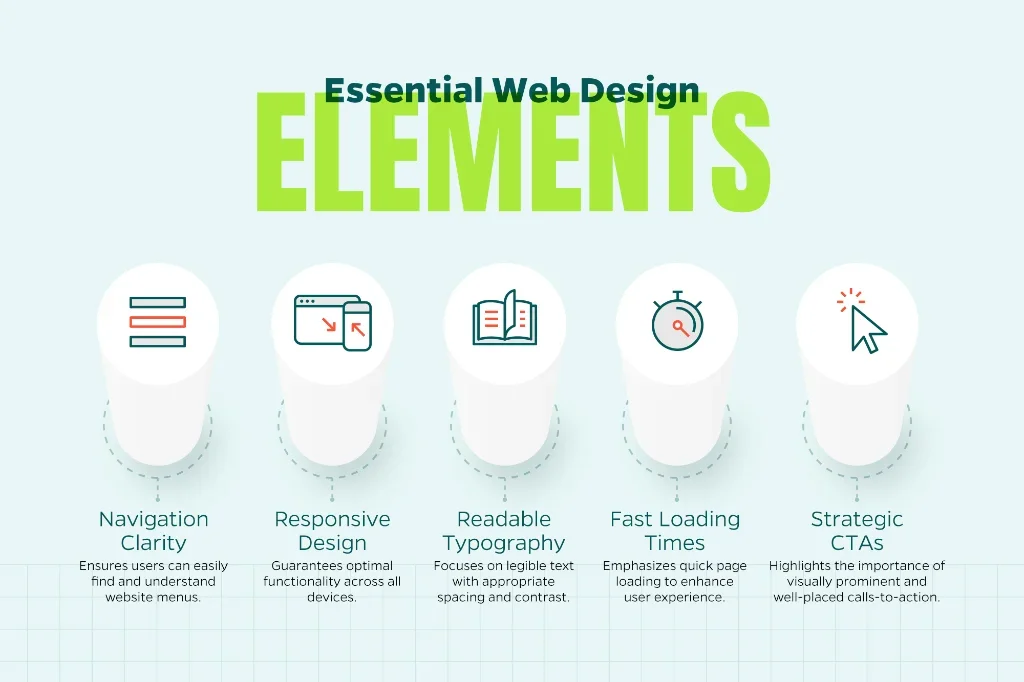
Each of these components contributes to a frictionless user journey that guides visitors naturally from discovery to decision, supporting your conversion goals every step of the way.
How Can I Measure the Success of My Website’s UX?
You can’t improve what you don’t measure. Tracking performance is crucial to understanding whether your design efforts are paying off and where there’s still room for optimization.
Use analytics tools to monitor metrics such as:
- Bounce rate and time on site
- Conversion rate (form fills, purchases, newsletter sign-ups, etc.)
- User flow and drop-off points
- Heatmaps to see where users click and scroll
- Page load times and performance metrics
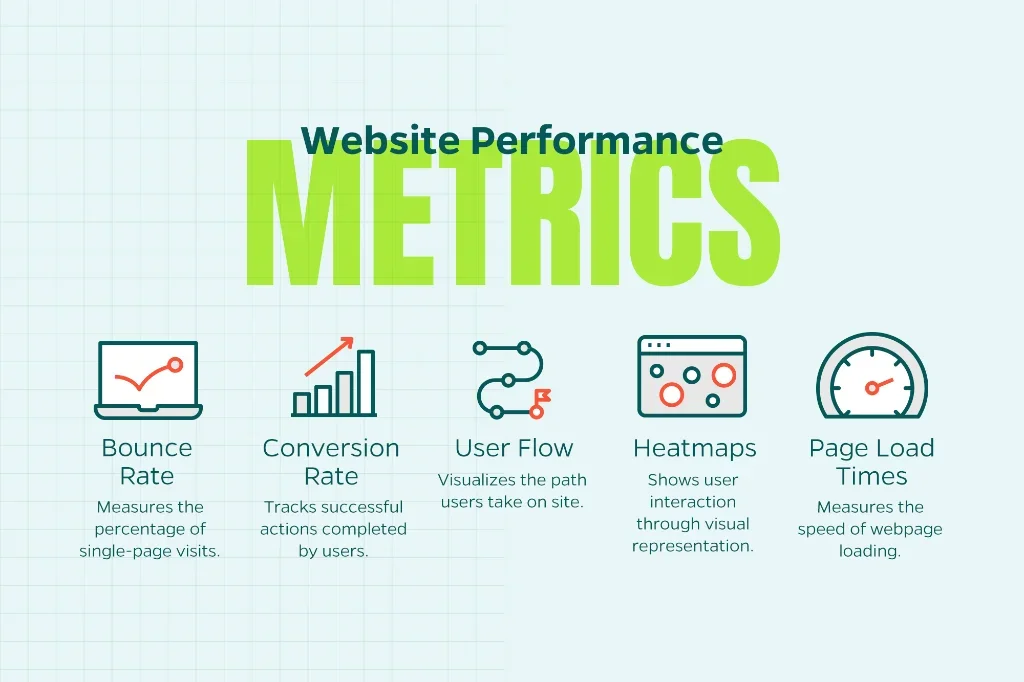
These insights help you identify what’s working well and highlight specific areas where improvements can enhance the user experience and drive more conversions. For example, if you notice a high bounce rate on a specific page, that’s a signal to investigate the design and messaging. If users consistently drop off at a particular form field, it might be time to simplify or clarify what you’re asking for.
What Role Does Mobile Design Play in Modern Web Design?
In today’s digital landscape, mobile design isn’t an afterthought. It’s essential. Most people now access websites primarily through their phones, which means your design strategy must start with mobile in mind, not as an add-on.
Responsive design ensures your site adapts beautifully to any screen size, but truly excellent mobile UX goes deeper. It means optimizing touch navigation, keeping forms short, ensuring buttons are easily tappable, and prioritizing content that matters most on smaller screens. A site that works on mobile is no longer a competitive advantage; it’s a baseline requirement. Businesses that fail to prioritize mobile design are essentially leaving conversions on the table.
Should I Focus More on Design or UX?
This is a common question, but the answer is simple: neither should take priority over the other. Successful websites strike a balance between strong visual design and intuitive usability. They’re not competing priorities, they’re complementary ones.
Beautiful design without function creates frustration. Users might admire your site for a moment, but if they can’t easily accomplish their goals, they’ll leave. Conversely, a highly functional site with outdated or unappealing design might drive users away before they ever experience that functionality.
The best approach is to design with both creativity and functionality in mind from the start. Ask yourself not just “Does this look good?” but “Does this help users accomplish what they came here to do?” When you optimize for both aesthetics and usability, you create websites that don’t just impress visitors, they convert them.
How Often Should I Update My Website Design?
Design trends and user expectations evolve quickly. A comprehensive site redesign every 2–3 years is typical, but that doesn’t mean you should wait that long to make changes.
Smaller updates and optimizations should happen much more frequently — especially if your data shows concerning drops in conversion rates or user engagement. A/B testing different button colors, simplifying a form, improving page load speed, or refreshing outdated imagery can all drive meaningful improvements without requiring a full redesign.
Think of your website as a living asset that requires ongoing attention and care. Regular monitoring, testing, and optimization ensure your site continues to perform effectively over time and adapts as user expectations shift. The businesses that win are the ones that stay attentive to their website’s performance and aren’t afraid to iterate.
Final Thoughts
Your website is often your brand’s most powerful marketing tool. It’s working for you 24/7, making first impressions, answering questions, and inviting people to act. That’s why it deserves investment and attention. By aligning attractive design with a seamless user experience, you can capture attention, earn trust, and drive meaningful conversions.
At Straight North, we help businesses transform their websites into high-performing assets, designed not only to impress but to convert. If you’re ready to see what a strategic approach to web design and UX can do for your business, we’d love to talk.