


“Is SEO really worthwhile for my business, or is it just another expense?”
If you’ve ever asked this question, you’re not alone. Search engine optimization (SEO) return on investment (ROI) measures how much revenue or profit your organic search efforts generate compared to what you spend on SEO. SEO is worth it when the revenue and profit attributable to organic search exceed the full cost of earning that visibility.
At Straight North, we’ve seen businesses transform their bottom line with strategic SEO. In this article, we’ll explore what SEO ROI really means, how to measure it, and how you can maximize it for your business.
What Is SEO ROI? (And Why It Beats Vanity Metrics)
When we talk about ROI in SEO, we don’t just mean climbing to the top of Google’s search results. Yes, rankings matter. But the real value lies in conversions and revenue. SEO ROI measures how much revenue or profit your organic search efforts generate compared to what you invest in SEO. If SEO generates more value than it costs, you’re earning a positive return on investment. In other words, you want your SEO efforts to bring you more leads, higher sales, and greater customer lifetime value. Paid ads deliver immediate clicks, but you lose traffic the moment you stop paying. SEO builds a foundation that keeps delivering over the long term.
ROI for SEO can be nuanced. So, don’t focus on chasing vanity metrics like website visits or keyword rankings. Instead, it’s best to align your SEO efforts with your business goals—whether that’s generating qualified B2B leads or boosting ecommerce revenue. While SEO takes time to ramp up, the results compound. This creates a snowball effect that can outperform other digital marketing channels over time.
Is SEO Worth It?
Yes. SEO is worth it when the revenue generated from organic search exceeds the cost of your SEO investment. While paid ads stop driving traffic when your budget ends, SEO continues generating qualified traffic, leads, and sales long after content is published.
As a case study example, Straight North helped the company Modern Bathroom to fine tune its SEO strategy to improve brand visibility in a crowded competitive space. The result was tremendous ROI: a 542% increase in organic traffic and a 550% increase in tubs sold.
In another case study example, Straight North has also helped B2B manufacturers achieve strong SEO ROI. For example, FMH Conveyors increased organic leads by 160% and organic traffic by 335%, showing how SEO can drive measurable lead growth — not just higher rankings.
Straight North’s GoNorth! Reporting and lead-validation process are designed to show the revenue side of the equation, not just keyword movement. Separating real sales leads from spam, duplicates, and non-sales inquiries makes the SEO ROI calculation more accurate.
Unlike ROAS, which measures the return on paid advertising, SEO ROI measures the return from your entire SEO investment, including content, technical SEO, tools, and agency or in-house costs.
Key Factors That Shape SEO ROI
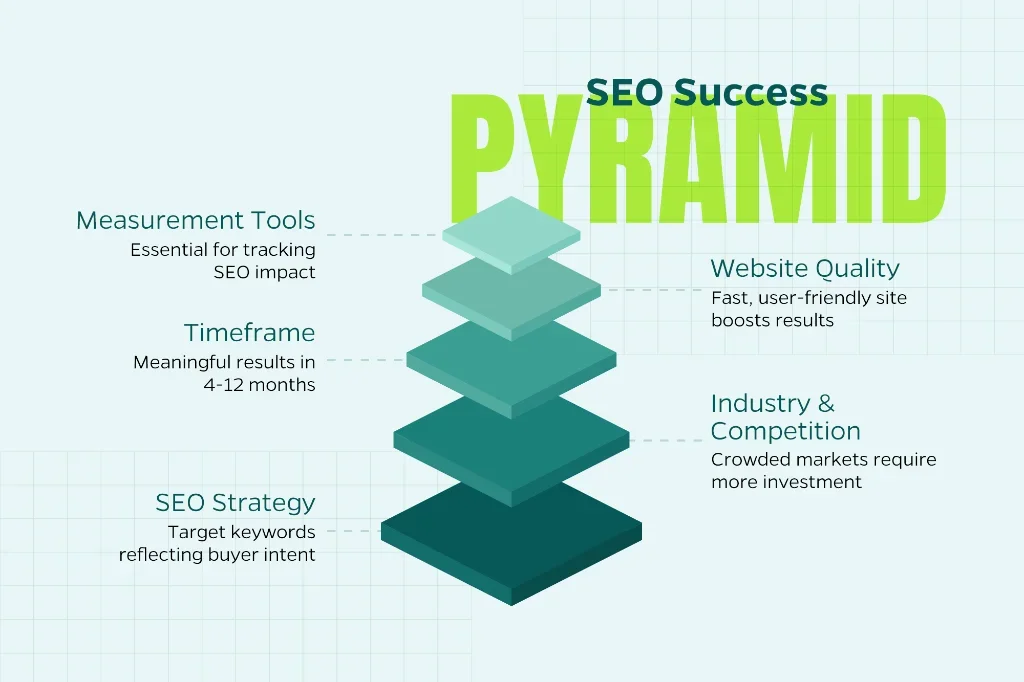
Not all SEO campaigns are created equal. Several factors influence how much ROI you can expect:
- Industry and Competition: If you’re in a crowded market like finance or legal services, ranking for high-value keywords will likely take more time and investment than in a niche industry.
- Website Quality: A fast, user-friendly website with strong content and solid technical SEO (e.g., mobile optimization, clean code) sets the stage for faster results.
- SEO Strategy: Targeting the right keywords—those that reflect buyer intent—and creating content that resonates with your audience is critical.
- Timeframe: SEO isn’t a quick fix. Most businesses start seeing meaningful results in 4–12 months, depending on their starting point and investment level.
- SEO Measurement Tools: Tools like Google Analytics, CRM systems, and conversion tracking software are essential for accurately measuring SEO’s impact.
Understanding these factors helps set realistic expectations and ensures your SEO strategy is built for success.
How to Calculate SEO ROI (Formula + Real Costs)
So, how do you know if your SEO efforts are paying off? Use the same core formula whether the return comes from ecommerce sales, recurring revenue, or B2B pipeline:
ROI = (Revenue from SEO – SEO Investment) ÷ SEO Investment × 100
For example, if your business spends $10,000 on SEO over a year and generates $50,000 in revenue from organic traffic, your SEO ROI formula is:
[($50,000 – $10,000) ÷ $10,000] × 100 = 400%
Your SEO investment should include all associated costs:
- Agency retainer or consultant fees.
- In-house strategy, development, design, and subject-matter-expert time.
- SEO, analytics, reporting, and CRM tools.
- Content research, writing, editing, visual production, and page updates.
- Digital PR, link earning, outreach, and technical implementation.
Tracking SEO ROI requires the right tools. Google Analytics 4 (GA4) can show how much traffic comes from organic search and what actions those visitors take, such as purchases and form submissions. Call tracking software can tie phone leads to SEO campaigns, while CRM systems help measure lead quality, customer lifetime value, and overall business impact. Don’t overlook assisted conversions either. SEO often introduces visitors who later convert through another channel, such as email, direct traffic, or PPC, so relying only on last-click attribution can underestimate SEO’s true value.
Let’s say a small ecommerce store invests $5,000 in SEO and sees $25,000 in organic sales over 12 months. That’s a 400% ROI — impressive, but not uncommon with a well-executed strategy.
Forecasting SEO ROI
Before investing in SEO, estimate your potential return by projecting your expected organic traffic, conversion rate, and average customer value. Comparing that revenue against your anticipated SEO investment can help you set realistic expectations and measure success over time.
The Long-Term Power of SEO
One of SEO’s biggest strengths is its staying power. Unlike paid ads, where traffic vanishes the moment you stop spending, SEO builds assets that keep working for you. A well-optimized blog post or product page can rank for high-intent keywords and drive leads or sales for years with minimal upkeep.
SEO also boosts your brand’s authority and visibility. Ranking consistently on Google signals trust to potential customers, making them more likely to choose you over competitors. Over time, this creates a compounding effect: as your content library grows and your backlink profile strengthens, your organic traffic snowballs, delivering higher ROI with less ongoing investment.
For example, imagine a B2B company publishing a detailed guide on a high-intent topic like “choosing the right software.” That guide ranks on page one, driving 50 qualified leads per month. Two years later, it’s still generating leads with no additional spend—a true long-term win.
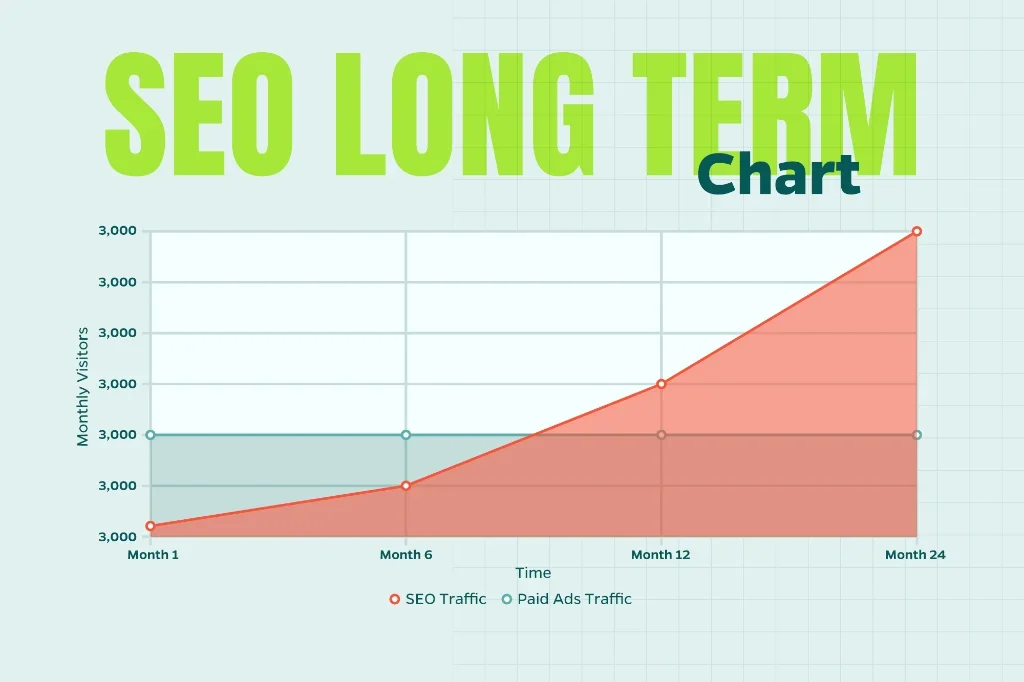
To illustrate this, consider the chart below, which compares how SEO traffic growth with a solid strategy could compare to paid ads over 24 months. While paid ads deliver consistent but static traffic, SEO’s traffic snowballs as content and authority build:
Why SEO ROI Is Hard to Measure (And How to Fix It)
The biggest challenges in measuring SEO ROI are attribution lag, assisted conversions, brand and non-brand traffic mixing, and zero-click visibility. A prospect may discover a company through organic search, convert weeks later through another channel, search the brand name before buying, or receive the answer directly on a search results page.
Accurate measurement requires looking beyond last-click conversions. Google Analytics 4 (GA4) can help track organic traffic and conversions, while call tracking and CRM data can connect SEO-generated leads to actual sales and revenue. Lead validation can further improve accuracy by separating legitimate sales leads from spam, duplicates, and non-sales inquiries. Together, these tools provide a more complete picture of SEO’s contribution to the customer journey.
Common Concerns About Investing in SEO
“I’ve heard SEO is expensive and risky. Why should I commit?” It’s a valid concern, and many businesses hesitate to invest in SEO due to misconceptions or past SEO mistakes. Even when businesses understand SEO’s potential return, committing to a long-term strategy can feel risky. Cost, algorithm changes, disappointing past experiences, and uncertainty about choosing the right agency are all common concerns. Let’s address the top concerns:
- “SEO is too expensive.” While SEO requires upfront investment, its cost-per-acquisition (CPA) is often lower than paid ads over time. For example, a well-optimized page can drive traffic for years without ongoing ad spend, unlike PPC, where costs scale with clicks.
- “Google’s algorithms keep changing.” Algorithm updates and evolving SEO practices can make SEO feel daunting. But a solid SEO strategy focuses on user intent and quality content, which remain effective regardless of updates. Partnering with experts who stay ahead of trends minimizes risks.
- “I’ve tried SEO before, and it didn’t work.” Poor results often stem from outdated tactics, low-quality content, or misaligned strategies. A tailored, data-driven approach—focusing on high-intent keyword targeting, conversion tracking gaps, and technical SEO—delivers measurable outcomes.
- “How do I know I’m choosing the right agency?” Look for agencies with proven results, transparent reporting, and a focus on your business goals. At Straight North, we prioritize measurable ROI, offering regular reports and clear communication to ensure your investment delivers.
SEO can be worth it for a small business when the campaign focuses on a profitable service area, tracks calls and forms accurately, and prioritizes a manageable set of high-intent searches instead of trying to compete everywhere. By addressing these concerns head-on, you can approach SEO with confidence, knowing it’s a strategic investment, not a gamble.
SEO ROI Benchmarks: What a Good Return Looks Like
There is no universal good ROI for SEO. The most useful benchmark is the return required by your margins, sales cycle, and alternative uses of capital. Industry figures provide context, but they should not be treated as a promise.
For example, First Page Sage’s 2026 thought-leadership SEO benchmarks report a 748% average return, with industry averages ranging from 317% for ecommerce to 1,389% for real estate. It also lists these industry examples:
- B2B SaaS: 702% average SEO ROI
- Legal services: 526%
- Financial services: 1,031%
- Higher education: 994%
- Ecommerce: 317%
The same research notes break-even periods that can range from roughly five to 15 months by industry, while other cited guidance recommends allowing at least six months before judging ROI.
So, what kind of ROI can you expect? It depends. Ecommerce businesses might aim for $3–$10 in revenue per organic session, while B2B companies may translate organic leads into qualified pipeline, expected close rate, gross margin, and customer lifetime value.
The key is patience. SEO isn’t a slot machine—it’s more like planting a tree. With consistent effort and a smart strategy, the results can be transformative, but expecting overnight success will only lead to frustration. Your industry, budget, and current website health all play a role in how quickly you’ll see returns.
Strategies to Maximize SEO ROI
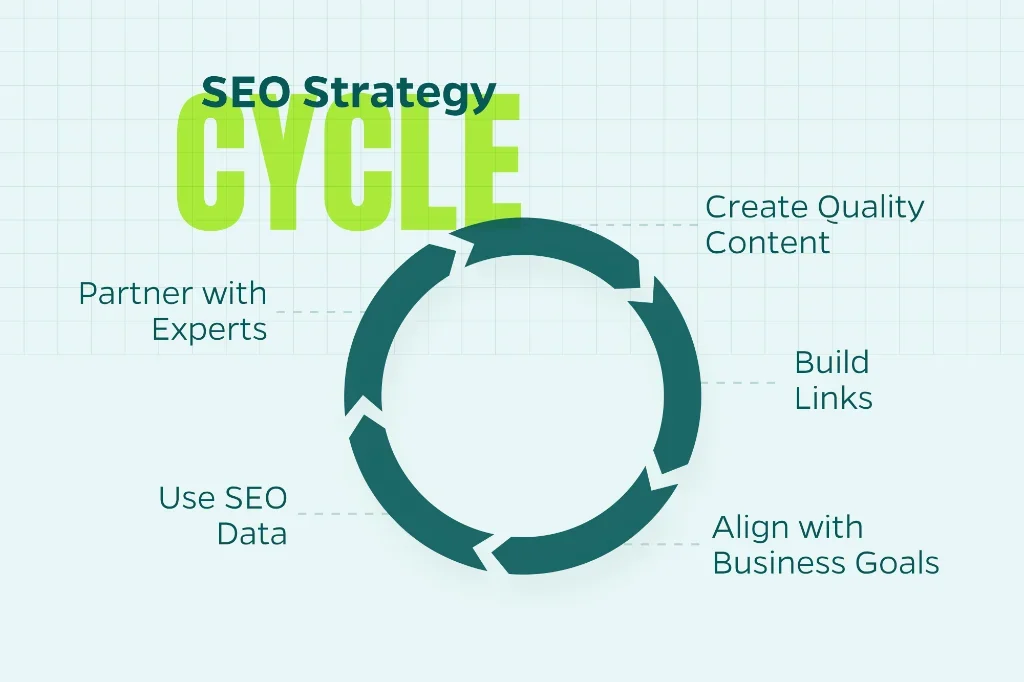
Want to get the most out of your SEO investment? Here are some proven tips:
- Invest in Quality Content: Create in-depth, audience-focused content that answers real questions and solves problems. A single well-researched blog post can outperform dozens of low-effort pages.
- Focus on Link Building: Earn backlinks from reputable websites to boost your authority and rankings.
- Align SEO with Business Goals: Target keywords that drive sales or high-value leads, not just traffic.
- Use SEO Data Across Channels: Insights from organic search (e.g., top-performing keywords) can optimize your PPC, social media, or email campaigns.
- Partner with Experts: Working with an experienced agency like Straight North ensures your strategy avoids common pitfalls and delivers measurable results.
The bottom line is you need to find a good SEO strategy that works for your business. Straight North can help.
Conclusion: SEO Is Your Growth Engine
When done right, SEO offers some of the highest ROI of any digital marketing channel. It’s not about instant wins. You want to build a sustainable, compounding asset that drives leads, sales, and brand authority for years. At Straight North, we’ve helped businesses across industries unlock the full potential of SEO with tailored strategies that align with their goals.
Ready to see what SEO can do for your business? Contact Straight North today to start building a strategy that maximizes your ROI.
SEO ROI FAQs
Is SEO worth it for a small business?
It can be. SEO is most practical for a small business when a limited set of local or service-intent searches can produce profitable calls, forms, appointments, or sales and those conversions are tracked accurately.
How long does SEO take to break even?
SEO payback is typically measured in months, not weeks. Depending on your industry, competition, starting point and level of investment, breaking even may take roughly five to 15 months. Meaningful improvements in rankings, traffic and conversions may begin sooner.
How often should you measure SEO ROI?
Monitor leading indicators such as rankings, organic traffic and conversions monthly, but give your campaign enough time to mature before evaluating financial ROI. For many businesses, reviewing ROI after six months and then quarterly provides a more meaningful picture of performance.
What is a good monthly SEO budget?
The supplied research cites $2,500 to $7,500 per month as a common range, with larger or more competitive programs reaching $10,000 or more. The right budget is the amount required to execute the strategy completely while still producing an acceptable forecasted return.